Ayurvedic health supplements include herbal powders, tablets, capsules, churnas, avalehas and traditional formulations used to complement diet and lifestyle. Ayurveda does not follow a one-size-fits-all approach: the right supplement depends on your health goal, digestion, constitution, age and current imbalance. Supplements can support wellbeing, but they should not replace nutritious food, appropriate medical care or a balanced lifestyle.
TL;DR – What Should You Know About Ayurvedic Health Supplements?
- Supplements Should Match the Person: Ayurvedic herbal supplements may contain single herbs or combinations selected according to constitution, concern, digestion, and health needs.
- They Are Supportive, Not Foundational: Ayurveda gives primary importance to Ahara, sleep, routine, and lifestyle, so supplements should not replace these basics.
- Choose by Concern, Not Trend: Energy, immunity, weight management, or wellness supplements should be chosen based on the actual need rather than a trending ingredient.
- Natural Does Not Mean Risk-Free: Herbal supplements can cause side effects, interact with medicines, or create problems when multiple products are taken together.
- Quality and Guidance Matter: Choose quality-tested products and seek advice from a qualified healthcare professional or Vaidya, especially because some products may contain unsafe levels of metals or unsuitable ingredients.
What Are Ayurvedic Health Supplements?
Ayurvedic health supplements are products based on herbs, plant extracts or classical Ayurvedic formulations that are used to complement everyday diet and lifestyle.
They may be available as:
- tablets
- capsules
- powders or Churna
- herbal liquids
- decoctions or Kashaya
- medicated ghee
- herbal jams or Avaleha
- Rasayana preparations
Some products contain one principal herb, while others combine several ingredients according to traditional Ayurvedic formulation principles.Common examples of herbs used in Ayurvedic supplementation include:
- Ashwagandha
- Amla or Amalaki
- Brahmi
- Shatavari
- Triphala
- Guduchi or Giloy
- Tulsi
- Shilajit
- Bhringraj
However, the presence of a familiar herb does not automatically mean a product is appropriate for everyone.Ayurveda traditionally individualises supplementation according to the person rather than recommending the same herb for the same goal in every case.
How Are Ayurvedic Herbal Supplements Different From Regular Supplements?
Conventional nutritional supplements often focus on providing a particular nutrient, such as:
- vitamin D
- vitamin B12
- iron
- calcium
- magnesium
- protein
Ayurvedic herbal supplements, by contrast, usually contain herbs or traditional multi-herb formulations selected according to an Ayurvedic understanding of constitution and imbalance.
|
Conventional supplement approach |
Ayurvedic supplement approach |
|
Often focuses on a specific nutrient |
Often uses herbs or traditional formulations |
|
May address an identified deficiency |
May be selected according to constitution and symptoms |
|
Dosage often based on nutrient requirements |
Selection may consider Prakriti, Agni, age and current imbalance |
|
Examples include iron, B12 or vitamin D |
Examples include Ashwagandha, Triphala or Brahmi formulations |
|
Evidence and purpose vary by product |
Evidence and purpose also vary substantially by herb or formulation |
How Does Ayurveda Decide Which Supplement Is Right for You?
Ayurveda considers several factors before recommending a herb or formulation.
What Role Does Prakriti Play in Choosing Supplements?
Prakriti refers to an individual's constitutional pattern.It is commonly described through the relative predominance of:
- Vata
- Pitta
- Kapha
Ayurvedic practitioners may use constitution alongside current symptoms to decide whether a formulation is suitable.
For example, a strongly heating herb may not be chosen in the same way for someone already showing prominent heat-related symptoms.
This is one reason Ayurveda traditionally avoids assuming that one popular herb is suitable for everybody.
Why Does Agni Matter When Taking Supplements?
Agni is the Ayurvedic concept associated with digestion and metabolic processing.
Ayurveda considers healthy digestion important because food and herbs need to be appropriately processed by the body.
An Ayurvedic assessment may therefore consider:
- appetite
- digestion
- bloating
- bowel habits
- heaviness after meals
- food tolerance
- before recommending certain formulations.
This is a traditional Ayurvedic framework rather than a laboratory measure of nutrient absorption.
Why Does Your Health Goal Matter?
A supplement should have a clearly defined purpose.
Someone seeking support for:
- low energy
- immunity
- digestion
- sleep
- stress
- women's wellness
- weight management
may need very different advice.
Taking several popular supplements simply because each has a long list of claimed benefits is not a personalised Ayurvedic approach.
Which Ayurvedic Supplements Are Traditionally Used for Energy?
People searching for Ayurvedic supplements for energy are often experiencing tiredness, low stamina or poor recovery.
Before choosing an energising supplement, first consider why your energy is low.
Possible reasons can include:
- inadequate sleep
- stress
- poor diet
- dehydration
- iron deficiency
- vitamin B12 deficiency
- thyroid problems
- illness
- excessive exercise or inadequate recovery
Persistent fatigue therefore deserves evaluation rather than automatically being treated with a supplement.
Ayurveda may traditionally use Rasayana herbs and formulations to support vitality.
Examples commonly used in Ayurvedic practice include:
Ashwagandha
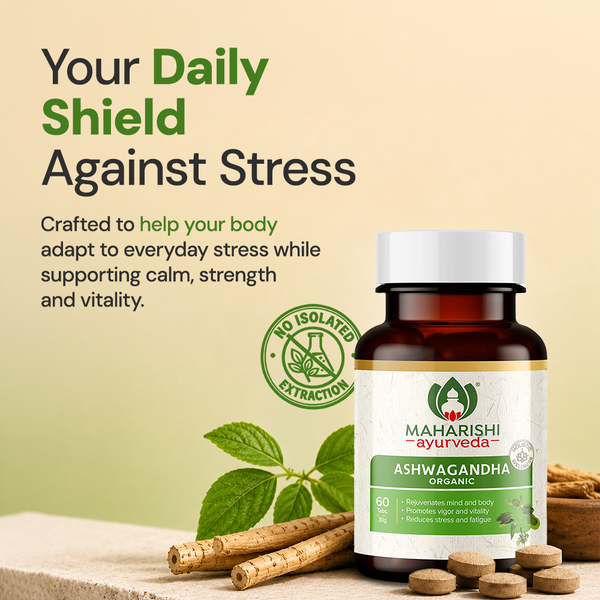
Ashwagandha is traditionally classified as a rejuvenative herb and is frequently used in Ayurveda for stress, vitality and strength.
Ashwagandha can have sedative effects and may interact with certain medicines, including some sedatives and anti-anxiety medicines.
Organic Ashwagandha: Ayurvedic Support for Strength & Calm
A traditional Ayurvedic herb crafted to support vitality, resilience, and everyday stress balance
Buy Now
Amalaki
Amalaki or Amla is traditionally used as a Rasayana and forms part of many Ayurvedic rejuvenative preparations.
It may be included in broader routines aimed at supporting nutrition and general vitality.
Amalaki Capsules: Ayurvedic Support for Overall Wellness
A traditional Ayurvedic formulation crafted to support immunity, detoxification, vitality, and everyday wellness
Buy Now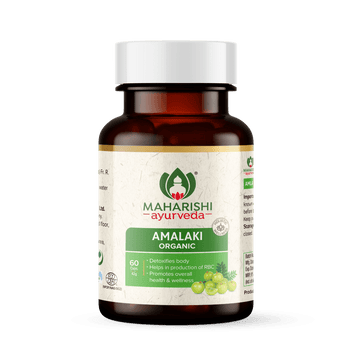
Shilajit
Shilajit has a long history of Ayurvedic use in formulations associated with vitality and strength.
Product quality and appropriate selection are especially important with mineral-containing or traditional formulations.
Shilajeet Resin: Traditional Ayurvedic Support for Strength & Vitality
A pure Ayurvedic resin traditionally valued to support stamina, energy, and everyday wellness
Buy Now
Which Ayurvedic Supplements Are Traditionally Used for Immunity?
Searches for Ayurvedic supplements for immunity often increase when people experience frequent seasonal illness or want general wellness support.
Ayurveda traditionally discusses resilience through concepts including Ojas and Rasayana.
Herbs and formulations commonly associated with traditional immune support include:
- Amla
- Guduchi
- Tulsi
- Ashwagandha
- Chyawanprash
- However, “boost immunity” can be misleading.
The immune system is complex, and stronger is not automatically better. The goal is healthy immune function rather than indiscriminately stimulating immunity.
Daily factors that support general immune health remain important:
- adequate sleep
- balanced nutrition
- sufficient protein and micronutrients
- regular physical activity
- stress management
- appropriate vaccination and medical care
Supplements should complement these basics rather than replace them.
Can Ayurvedic Supplements Help With Weight Loss?
The phrase Ayurvedic supplements for weight loss attracts strong interest, but this is an area where claims need particular caution.
There is no herbal supplement that can replace:
- appropriate calorie intake
- balanced nutrition
- physical activity
- sleep
- sustainable lifestyle change
NCCIH specifically warns that dietary supplements marketed for weight loss are among the categories in which hidden or undeclared ingredients have sometimes been found.
Ayurveda traditionally approaches weight management more broadly through:
- Agni or digestion
- Kapha balance
- Meda Dhatu
- meal timing
- activity
- sleep
- daily routine
Certain herbs or formulations may be used according to the individual.
Is Triphala Used for Weight Management?
Triphala is traditionally used primarily for digestive and bowel support and is sometimes incorporated into Ayurvedic weight-management routines.
Check out the best time to drink Triphala for weightloss-->
Are Warming Herbs Used in Ayurvedic Weight Management?
Spices such as:
- ginger
- black pepper
- cinnamon
may form part of dietary approaches traditionally considered useful where Kapha qualities such as heaviness or sluggishness predominate.
But using increasingly high doses does not produce increasingly rapid weight loss.
The broader lifestyle pattern matters far more.
Can You Take Ayurvedic Supplements Every Day?
Some Ayurvedic products may be used daily for a period of time, while others are intended for specific situations or durations.
Daily suitability depends on:
- the ingredients
- dosage
- duration
- your age
- pregnancy or breastfeeding
- kidney or liver health
- other medical conditions
- medicines being taken
- other supplements being used
Herbal products may interact with prescription and over-the-counter medicines. NCCIH advises people to tell healthcare providers about all supplements they use because some interactions can increase or decrease medication effects.
Is It Safe to Take Multiple Supplements Together?
Not automatically.
Problems can occur when people:
- combine several supplements
- take the same nutrient through multiple products
- mix herbal products and medicines
- use higher-than-recommended doses
- take products for prolonged periods without reassessment
The FDA warns that dietary-supplement problems are particularly possible when people combine supplements, mix supplements with medicines or take excessive amounts.
Why Can Duplicate Ingredients Be a Problem?
Suppose you take:
- a multivitamin
- a hair supplement
- an immunity supplement
- an energy supplement
Each may contain some of the same vitamins or minerals.Even though every individual product appears reasonable, the combined daily intake could become unnecessarily high.
Always compare the complete ingredient lists rather than looking only at the product names.
What Are the Signs You May Be Taking Too Many Supplements?
Symptoms depend on the ingredient and dose, so there is no universal symptom pattern.
Possible warning signs can include:
- nausea
- diarrhoea
- constipation
- abdominal discomfort
- headaches
- unusual fatigue
- tingling or numbness
- changes in urination
- skin changes
- unexplained bruising
- palpitations
These symptoms are nonspecific and do not prove supplement toxicity.
If symptoms appear after beginning a new supplement—or after adding several products—seek professional advice.
Can Too Much of a Vitamin or Mineral Be Harmful?
Yes.The idea that your body will simply discard everything it does not need is incorrect.
Some nutrients have established upper intake limits, and excessive intake can cause harm.
For example, the NIH Office of Dietary Supplements publishes safety, dosing and upper-limit information for vitamins and minerals such as vitamins A, B6, C and D, iron, calcium and zinc.
This is why supplementation should ideally respond to:
- a genuine dietary gap
- an identified deficiency
- a specific health requirement
- professional advice
rather than the assumption that “more vitamins mean better health.”
Can Herbal Supplements Interact With Medicines?
Yes.Herbal supplements contain biologically active compounds and may affect how medicines work.
Interactions can:
- increase a drug's effect
- reduce a drug's effect
- increase side effects
- alter the way the body processes the medicine
The risk becomes particularly important for people taking:
- blood thinners
- diabetes medicines
- blood-pressure medicines
- sedatives
- antidepressants
- immunosuppressants
- medicines with a narrow therapeutic range
Do not stop prescribed medication in order to use an herbal supplement without consulting the clinician managing your treatment.
Are Ayurvedic Supplements Always Safe Because They Are Natural?
No.Natural does not automatically mean safe.
NCCIH notes that some Ayurvedic preparations have been found to contain potentially toxic amounts of lead, mercury or arsenic.
This does not mean all Ayurvedic products contain harmful metals.It means manufacturing quality, testing and sourcing matter.
When selecting an Ayurvedic product, look for:
- clear ingredient disclosure
- dosage instructions
- batch information
- reputable manufacturing standards
- quality testing
- transparent sourcing
- appropriate regulatory information
- expiry date
- clear warnings where applicable
Avoid products making implausible claims such as curing several unrelated diseases at once.
How Can You Choose a Good Ayurvedic Health Supplement?
Use a simple checklist.
|
What to check |
Why it matters |
|
Clear health goal |
Helps avoid unnecessary supplementation |
|
Full ingredient list |
Allows you to identify duplicate or unsuitable ingredients |
|
Appropriate dose |
More is not necessarily better |
|
Quality testing |
Helps reduce contamination and quality concerns |
|
Manufacturer transparency |
Makes sourcing and standards easier to assess |
|
Medicine interactions |
Some herbs can alter medication effects |
|
Personal health conditions |
Kidney, liver and other conditions can change safety |
The best supplement is not necessarily the one containing the most ingredients.It is the one that has a clear purpose, appropriate formulation and suitable dose for the individual.
Should Food Come Before Supplements in Ayurveda?
Generally, Ayurveda places substantial importance on Ahara—food—as a foundation of health.
Traditional Ayurvedic nutrition focuses on:
- appropriate quantity
- food quality
- digestive capacity
- meal timing
- season
- individual constitution
- the six tastes (Shad Rasa)
This fits an important modern principle too: supplements should not replace a varied and nutritious diet.
The FDA similarly advises that dietary supplements should not be used as substitutes for the variety of foods important to a healthy diet.Supplements are most useful when they have a defined role.
What Does Ayurveda Mean by Rasayana?
Rasayana is an important Ayurvedic concept broadly associated with rejuvenation, nourishment and supporting healthy ageing and vitality.
Traditional Rasayana practices may involve:
- specific herbs
- formulations
- nutritious foods
- appropriate sleep
- behaviour
- daily routine
This is important because Rasayana does not simply mean “take a supplement.”Ayurvedic rejuvenation is traditionally a broader lifestyle concept.
Products such as Chyawanprash, Amalaki preparations and certain herbal formulations may fall within Rasayana traditions, but suitability still depends on the individual and intended use.
Who Should Be Particularly Careful With Ayurvedic Supplements?
Professional guidance is especially important for:
- pregnant women
- breastfeeding women
- children
- older adults taking multiple medicines
- people with kidney disease
- people with liver disease
- people preparing for surgery
- individuals taking anticoagulants
- people using diabetes or blood-pressure medicines
- people taking psychiatric medicines
- anyone combining several supplements
If you use multiple medicines, bring your doctor or pharmacist a complete list of everything you take including herbs and supplements. NCCIH specifically recommends this approach to help identify possible interactions.
What Is the Key Takeaway About Ayurvedic Supplements?
Ayurvedic health supplements can support a broader wellness routine, but “more” is not automatically “better.”Ayurveda traditionally starts with the individual:
What is the concern?
How is digestion?
What is the person's constitution?
What imbalance is present?
Is a supplement actually needed?
That is very different from collecting several trending herbal products and taking them together.
For energy, immunity, weight management or general wellbeing, supplements work best as supportive tools within a foundation of balanced nutrition, adequate sleep, activity, stress management and appropriate healthcare.
Choose products for a clear reason, pay attention to quality and dosage, and seek professional guidance when taking medicines or managing an existing health condition.