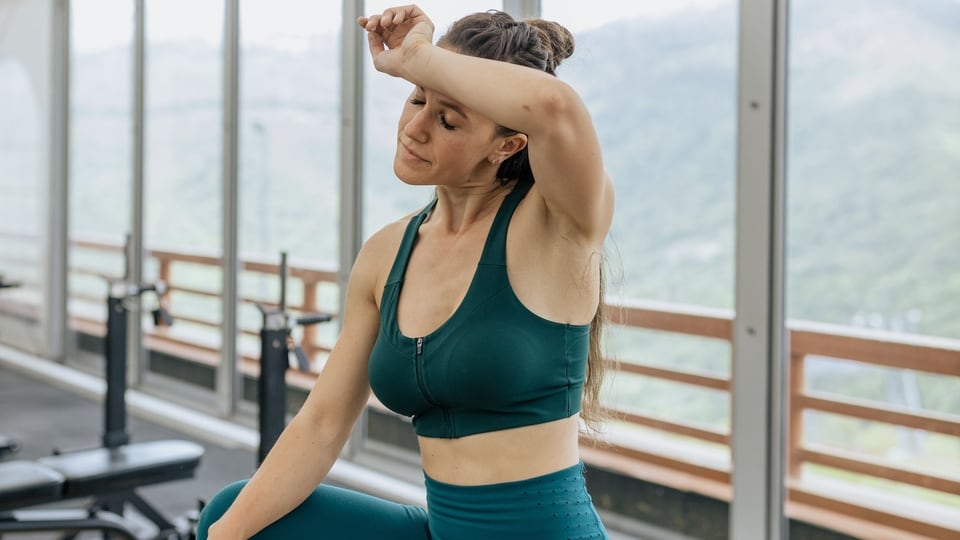
A workout that leaves you drenched in sweat may feel like a sign of a highly effective exercise session. However, more sweat does not automatically mean more fat has been burned, according to fitness trainer Chadoy Leon.
In a recent social media post, Leon addressed several popular workout and fat-loss myths, arguing that people often judge exercise by how exhausting it feels rather than by the results it produces over time.
Sweat is not a fat-loss indicator
Sweating is primarily the body's natural mechanism for cooling itself down. Factors such as temperature, humidity, clothing and individual physiology can influence how much a person sweats.
The weight shown on the scale immediately after an intense, sweaty workout is largely associated with temporary fluid loss, which is restored when the body is rehydrated.
Therefore, comparing workouts based on how much a person sweats can give a misleading impression of fat loss.
Muscle soreness doesn't equal progress
Another common misconception is that a workout is successful only when it leaves muscles sore the next day.
Leon points out that soreness can occur after unfamiliar or demanding movements, but lack of soreness does not mean a workout was ineffective. A better way to assess progress is by tracking improvements in strength, endurance, exercise performance and changes in body composition.
Don't blindly trust calorie counters
Fitness machines can also give users a false sense of accuracy.
Calories displayed on treadmills, cross-trainers and other cardio equipment are estimates, and the actual figure can vary depending on factors such as body weight, fitness level and the machine's calculation method.
These numbers can be useful as rough indicators, but they should not be treated as exact measurements of calories burned.
What actually helps with fat loss?
According to Leon, sustainable fat loss is less about chasing exhausting workouts and more about maintaining consistent habits.
Key factors include:
Maintaining an appropriate calorie deficit
Eating enough protein to support muscle retention
Staying physically active throughout the day, including regular walking
Strength training to preserve muscle while losing weight
Getting adequate sleep and recovery
Exercise remains important for fitness, cardiovascular health, strength and overall wellbeing. But when the goal is reducing body fat, nutrition and overall daily activity also play a major role.
The bigger fitness lesson
A workout does not have to leave someone completely exhausted to be productive. Sustainable progress comes from regular exercise, progressive improvement, balanced nutrition and adequate recovery.
In other words, a sweat-soaked T-shirt is not a reliable scorecard for fat loss. What matters more is whether your overall routine is helping you become stronger, fitter and healthier over time.