


Kerala Blood Banks Face Calls for Advanced Screening
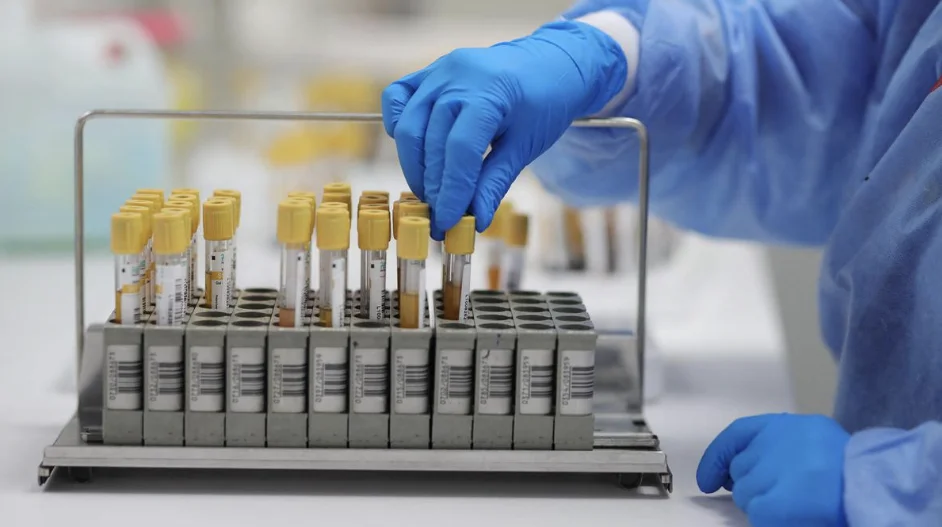
Kerala is facing renewed calls to strengthen blood safety by introducing advanced infection-screening systems across its blood banks.
The demand focuses particularly on technologies that can identify transfusion-transmitted infections at an earlier stage and reduce the possibility of infected blood reaching patients.
Ensuring the safety of every unit of donated blood is essential, especially for patients who depend on regular transfusions as part of long-term medical treatment.
Why NAT Testing Matters
One of the key technologies being discussed is Nucleic Acid Testing, or NAT.
Unlike conventional screening methods that primarily look for antibodies or antigens, NAT is designed to detect the genetic material of viruses.
This can allow infections to be identified earlier in the course of the disease and can help reduce the period during which an infected donation may escape detection.
Understanding the Window Period
A major challenge in blood screening is the window period.
This refers to the period between infection and the point at which a particular diagnostic test can reliably detect it.
During this period, a donor may appear healthy and a conventional test may not yet identify the infection, even though the virus may be present.
Advanced molecular testing can shorten this period for certain infections, adding another layer of protection to the blood-supply system.
Infections That Need to Be Detected
Blood banks routinely focus on infections that can be transmitted through transfusion, including HIV, hepatitis B and hepatitis C.
Detecting these infections before blood is issued is critical because patients receiving transfusions may already have serious underlying illnesses.
For patients requiring repeated transfusions, maintaining a safe blood supply is particularly important.
NAT Is Already Used at Some Centres
Some blood centres in Kerala have already adopted NAT-based screening.
Modern blood centres in the state use advanced testing as part of their efforts to improve transfusion safety.
However, access to such technology is not uniform across all blood banks, which has led to calls for wider adoption.
Demand for Statewide Coverage
The demand is for advanced screening to become more widely available rather than remaining limited to major hospitals or specialised blood centres.
The objective is to ensure that patients receive comparable levels of protection regardless of where their blood is collected or processed.
A uniform approach could also help strengthen quality standards across the state's blood-transfusion network.
Cost Could Be a Major Challenge
Installing NAT systems requires specialised equipment, trained personnel, maintenance and ongoing operational expenditure.
For smaller blood banks, the financial burden could be significant.
However, advocates argue that advanced screening should be viewed as an investment in public health because preventing a transfusion-transmitted infection can avoid long-term medical and social costs for patients.
Donor Screening Remains Essential
Advanced technology alone cannot eliminate all risks associated with blood transfusion.
Proper donor selection and health-history assessment remain important components of a safe blood-supply system.
Voluntary blood donation is also considered an important part of improving blood safety, particularly when donors are appropriately screened before donation.
Blood Components Increase the Importance of Screening
A single unit of donated blood can be separated into components such as red blood cells, plasma and platelets.
These components can then be used to treat different patients.
This means that contamination of one donation can potentially affect more than one recipient, making rigorous screening and quality control even more important.
Infrastructure Is Equally Important
Improving screening technology must be accompanied by stronger blood-bank infrastructure.
Proper storage systems, cold-chain management, blood-component separation, laboratory quality control and trained staff are all necessary for maintaining safe blood supplies.
Safety needs to be maintained throughout the process, from donor selection and collection to testing, storage, transportation and transfusion.
Kerala's Blood-Transfusion Network
Kerala has been working to strengthen its blood-transfusion services through improvements in blood-component separation and laboratory facilities.
Government authorities have also focused on upgrading blood centres and improving the quality of transfusion services.
Expanding advanced infection screening would add another important layer to these efforts.
Challenges Ahead
Introducing advanced screening systems across all blood banks will require significant investment and coordination.
Authorities would need to address equipment procurement, staff training, maintenance, laboratory standards and long-term funding.
However, given the potential consequences of transfusion-transmitted infections, advocates argue that advanced screening should be expanded in a systematic manner.
The Need for Safer Blood
Modern screening technologies cannot eliminate every possible risk, but they can significantly strengthen the safety of donated blood.
Combining advanced testing with careful donor selection, quality control and well-trained personnel can provide patients with greater protection.
Conclusion
The demand for advanced screening across Kerala's blood banks highlights the growing focus on transfusion safety.
Expanding technologies such as NAT, while strengthening infrastructure and quality-control systems, could help reduce the risk of HIV and hepatitis transmission through blood transfusions.
For patients who depend on blood and blood components, ensuring consistent safety standards across every blood centre remains the ultimate priority.