ఆరోగ్యం
675 వార్తలు


Only 40% of world's health facilities meet basic sanitation standards: UN
In a report, the UN's health and children's agencies said only 40 percent of healthcare facilities last year had toilets that adequately met the needs of patients and staff, including people with limited mobility.

South Asia has largest health workforce shortage in achieving universal health coverage: Study
India has a ratio of about 73 health workers per 10,000 population -- 10.5 doctors per 10,000 population, 10.8 nurses per 10,000 population, 8.1 pharmacists and pharmaceutical assistants per 10,000 population and 1.2 midwifery personnel per 10,000 population.
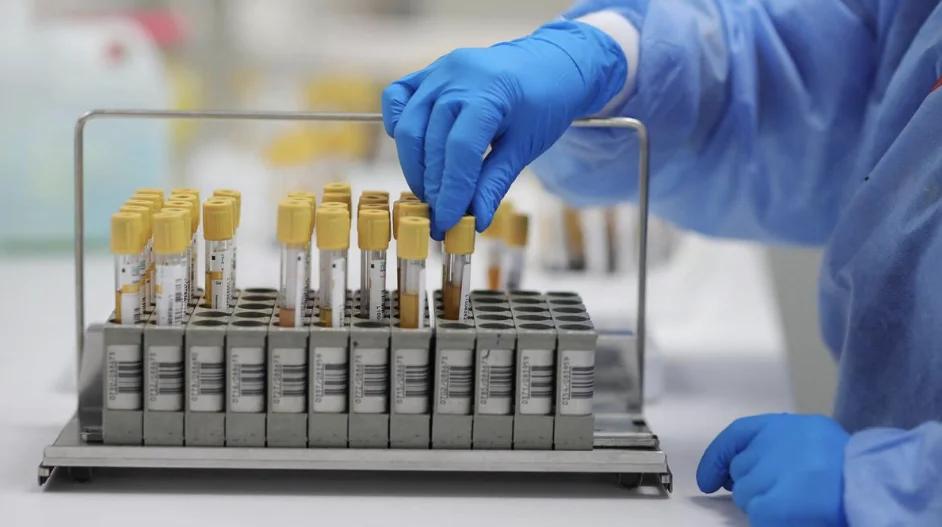
కేరళలో అన్ని బ్లడ్ బ్యాంకుల్లో అధునాతన స్క్రీనింగ్ తప్పనిసరి చేయాలన్న డిమాండ్
కేరళలో రక్త మార్పిడి ద్వారా సంక్రమించే వ్యాధుల ప్రమాదాన్ని మరింత తగ్గించేందుకు అన్ని బ్లడ్ బ్యాంకుల్లో అధునాతన స్క్రీనింగ్ వ్యవస్థలను ఏర్పాటు చేయాలన్న డిమాండ్ పెరుగుతోంది. ముఖ్యంగా HIV, హెపటైటిస్ B, హెపటైటిస్ C వంటి ఇన్ఫెక్షన్లను సాధారణ పరీక్షల కంటే ముందుగానే గుర్తించేందుకు న్యూక్లిక్ యాసిడ్ టెస్టింగ్ (NAT) వంటి సాంకేతికతలు ఉపయోగపడతాయి. కేరళలో ఇప్పటికే కొన్ని రక్త కేంద్రాల్లో NAT అందుబాటులో ఉన్నప్పటికీ, అన్ని కేంద్రాలకు ఈ సదుపాయాన్ని విస్తరించాల్సిన అవసరం ఉందని నిపుణులు, రక్తదాతల సంఘాలు కోరుతున్నాయి. రక్త మార్పిడి భద్రతను పెంచడంతో పాటు, పరీక్షల నాణ్యత, మౌలిక వసతులు, సిబ్బంది శిక్షణపై కూడా దృష్టి పెట్టాల్సిన అవసరం ఉంది.

Manipal to acquire Bengaluru's Kinder Hospitals for ₹130 crore
The healthcare major said it has signed a Business Transfer Agreement (BTA) with Kindorama Healthcare Private Limited for acquiring the entire operations of Kinder Women’s Hospital, located in Doddanekundi in the Whitefield region of Bengaluru in Karnataka.

Vitamin deficiency could lead to mild cognitive impairment, finds NIN study
Mild cognitive impairment (MCI) is a condition in which a person experiences changes in memory or thinking abilities, but can still largely carry out daily activities independently. It is considered an intermediate stage between normal ageing and dementia.
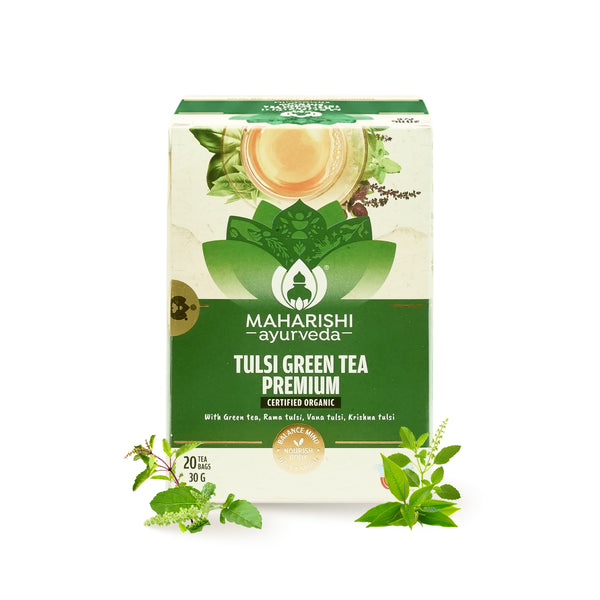
Ayurvedic Fasting Guide for Janmashtami: What to Eat, Drink and Avoid
Janmashtami fasting in Ayurveda should be sattvik, light and personalised. Eat fruits, milk, soaked nuts, makhana, sabudana, kuttu, singhara, rajgira and herbal teas if they suit your digestion. Avoid onion, garlic, non-vegetarian food, alcohol, packaged snacks, excess caffeine and heavy fried foods. Why Is Fasting Important on Janmashtami? Fasting on Janmashtami supports devotion, discipline and inner reflection. It is not only about avoiding food. It is a way to create lightness in the body and calmness in the mind while remembering Lord Krishna. From an Ayurvedic view, fasting gives rest to digestion, supports Agni and helps reduce heaviness. Since Janmashtami comes around a seasonal transition, the fast should be gentle, mindful and suitable for your body type. What Is the Ayurvedic View of Janmashtami Fasting? Ayurveda sees fasting as a way to reduce digestive load and support balance. A good fast should make you feel lighter and clearer, not weak, irritable or exhausted. Ayurveda


FSSAI says 6 food companies rectified misleading claims, trade marks after its crackdown
Following warnings from the FSSAI, six food companies have acted to rectify issues with their labeling. These measures entail the withdrawal of misleading claims and updates to product packaging. Livyor Ventures Pvt Ltd has rescinded its 'vegan and healthy' label on edamame beans. Honest Innovations and Heliostone Specialities have modified their deceptive trademarks, while Rajasthan Agro has eliminated such claims altogether.

NMC proposes central tracking of doctors’ disciplinary records
The proposal is part of the draft Registration of Medical Practitioners and Licence to Practice Medicine (Amendment) Regulations, 2026, published on August 11. The NMR will serve as a central repository of doctors’ registration details and disciplinary orders issued by State Medical Councils, NMC or its Ethics and Medical Registration Board (EMRB).

NITI Aayog proposes interstate licence portability for healthcare professionals
In its report, India's Services Sector: Insights on Regulatory Regime in Professional Services, NITI Aayog said a seamless system of licence portability could facilitate greater mobility of healthcare professionals, particularly to underserved areas of the country.

India plans national sports medicine framework ahead of 2036 Olympics
The proposed framework is expected to standardise injury screening, diagnosis, rehabilitation and return-to-play protocols while linking medical institutions with athlete training programmes and creating a national repository on sports injury data, people aware of the deliberations told ET.

In private healthcare's rise, price points are a big pain
In a recent proposal, a parliamentary committee has recommended that hospital room charges not exceed the rates of three-star hotels. The substantial growth of private healthcare as an industry has attracted considerable private equity investment, resulting in valuation spikes and shifts in ownership among hospital chains. However, this raises important questions about the accessibility of healthcare for the average person.

AI could cut doctors' paperwork burden as global health worker shortage looms
Artificial intelligence can ease doctor workloads by handling repetitive administrative tasks. This technology helps address a growing global healthcare worker shortage. AI tools can draft clinical documentation, freeing up valuable physician time. Patients can also benefit as AI helps direct them to appropriate care. Ultimately, AI aims to optimize existing healthcare staff for future demands.

Food regulator failed to penalise 2,430 firms: CAG
An audit of the Food Safety and Standards Authority of India's (FSSAI) Eastern Region office in Kolkata found that 1,018 food businesses did not submit their annual returns, while 1,412 filed them late during 2017-18 to 2022-23.

Thermo Fisher finds India the perfect lab; lab equipment maker steps up investments as drug companies focus on innovation
Top executives at Thermo Fisher told ET India has recorded the fastest growth in the Asia-Pacific and Middle East region in the past year, and in the coming five years, the company is expecting double-digit returns from this market. They didn't disclose revenue from India and the planned investments.

Experimental blood test finds high-risk colorectal lesions before cancer develops
Several blood tests are already commercially available for colorectal cancer screening, but the new test is also highly sensitive for precancerous polyps known as advanced adenomas. Removing those polyps can prevent the cancer from developing.
Union Minister JP Nadda stable, under observation at AIIMS Delhi after uneasiness
Union Minister JP Nadda was evaluated for uneasiness with tests, including a coronary angiography, on the evening of 13th August 2026. He is currently stable and admitted for observation in the Department of Cardiology.

‘Wise minds will think otherwise’: Abhay Soi on private hospital price cap
Abhay Soi, Chairman, Max Healthcare informed that a blanket price cap on private hospital room rents must be weighed against the need for new hospital beds and investment viability. Addressing the issue during the Max Healthcare earnings call, he added that “wise minds will think otherwise” when both factors are considered.
SC slams FSSAI over delay in introducing warning labels on packaged foods
The top court was hearing a PIL of public charitable trust 3S and Our Health Society seeking directions to the Centre, states and Union territories to implement mandatory front-of-package warning labels (FOPL) on packaged foods.

Price caps on private healthcare may disincentivise capacity creation, innovation: Suneeta Reddy
Apollo Hospitals MD Suneeta Reddy said the company supports the government’s goal of making healthcare affordable and accessible, but cautioned that uniform price controls could discourage private-sector investments in capacity expansion, innovation and healthcare infrastructure.

FSSAI puts influencers, celebrities on notice over food promotions
In a significant move aimed at curbing misleading promotions, the regulator has warned influencers and celebrities that endorsing unverified food claims could invite legal action, even as it cracked down on manufacturers selling unsafe food products.