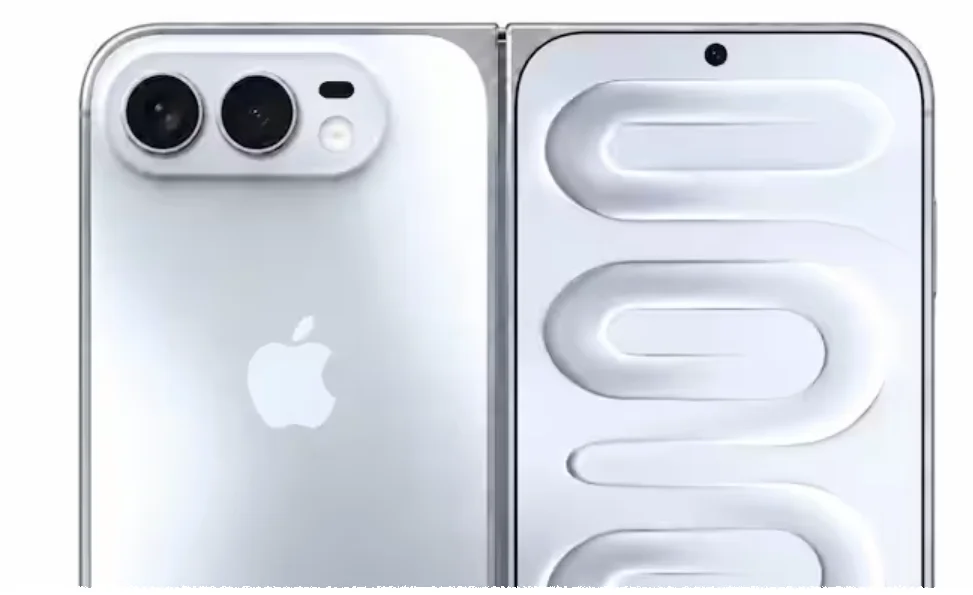
1. An ultra-thin book-style design
The iPhone Ultra is expected to use a book-style folding design, similar to other large foldable smartphones.
Reports suggest the device could measure around 4.5mm thick when unfolded, making it exceptionally thin even by foldable-phone standards.
Apple is also reportedly working on a hinge designed to minimise the visible crease that has become a common feature of foldable displays.
2. Two OLED displays
The foldable iPhone is expected to feature a 5.5-inch outer display and a much larger 7.8-inch inner display.
The internal screen could use a wide, tablet-like 4:3 aspect ratio, giving users more space for apps, video, gaming and productivity when the phone is opened.
Both displays are expected to support a high refresh rate, potentially reaching 120Hz.
3. Touch ID instead of Face ID
One of the biggest changes could involve biometric security.
Because Apple is reportedly prioritising an extremely thin chassis, the company may not have enough room for the hardware required for Face ID.
Instead, the iPhone Ultra could bring back Touch ID, with the fingerprint sensor integrated into the side or power button.
The rear camera system is expected to include a 48-megapixel main camera and a 48-megapixel ultrawide camera. However, reports suggest that Apple may leave out a dedicated telephoto lens to keep the device thin.
4. A20 Pro-powered performance
Apple is reportedly planning to equip the foldable iPhone with its new A20 Pro processor.
The same chip is expected to power the iPhone 18 Pro models, meaning the foldable could deliver flagship-level performance despite its unusual form factor.
Thermal management could nevertheless be challenging because of the extremely thin body and limited internal space.
5. Premium price and September launch
The iPhone Ultra is expected to be one of Apple’s most expensive smartphones ever.
Current reports suggest a starting price of around $1,999 or higher, putting it well above conventional Pro models.
The device is expected to be unveiled in September 2026, potentially alongside the iPhone 18 Pro series. Apple has yet to officially confirm the launch date.
Initial availability could also be limited. Producing a thin foldable device with a specialised hinge and flexible display is considerably more complex than manufacturing a conventional smartphone.
Why Apple’s entry matters
Apple entering the foldable smartphone market could significantly change the industry.
Samsung and Chinese manufacturers have dominated the segment for years, but Apple’s enormous iPhone user base could bring foldable phones to a much wider audience.
At the same time, the expected premium price and possible compromises—including the lack of a telephoto camera and Face ID—could make the first-generation device a product aimed primarily at early adopters and Apple enthusiasts.
Conclusion
The iPhone Ultra could represent one of Apple’s biggest hardware experiments in years. Its ultra-thin body, large foldable display and Pro-level processor could make it a major new category for the company.
But most of the reported specifications remain unconfirmed. Apple’s official announcement will ultimately determine the device’s final name, design, features, pricing and availability.