



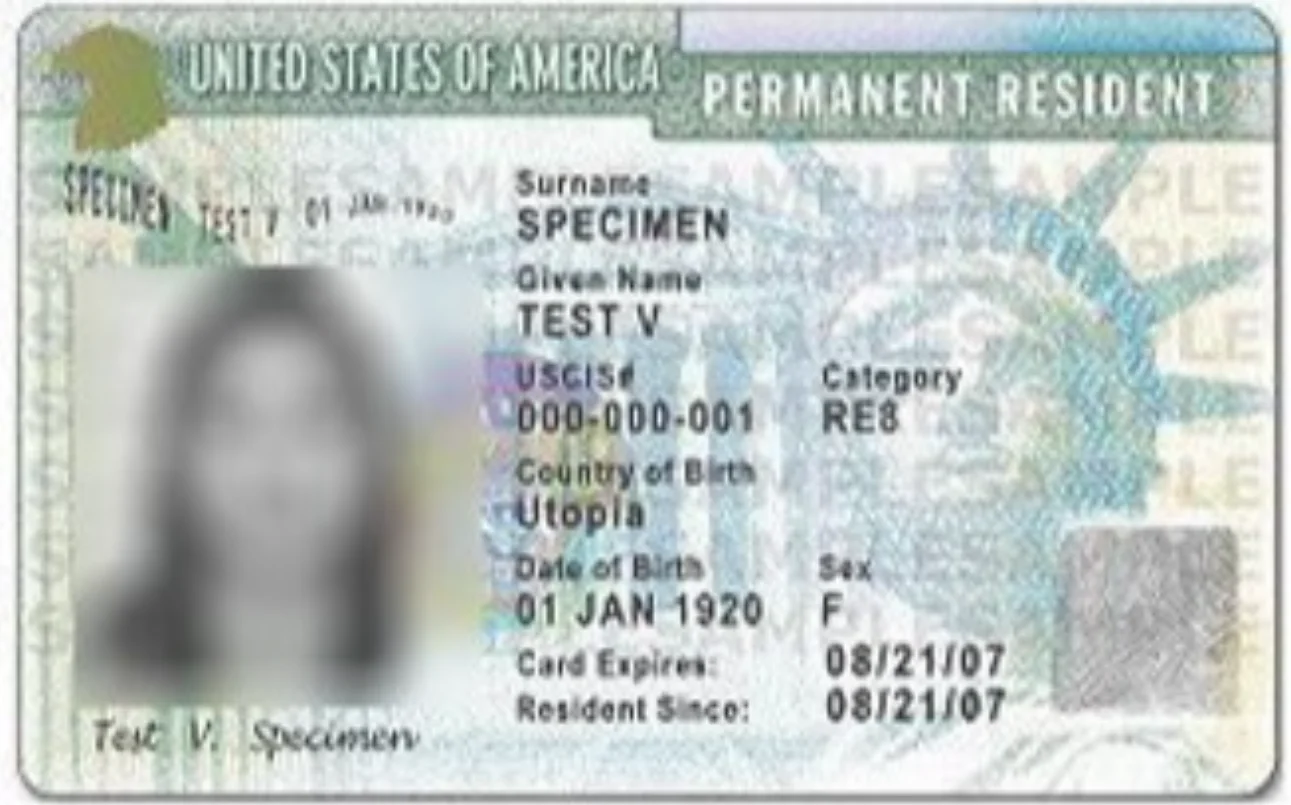
Why has DHS changed the rules?
US immigration law contains special provisions for foreign government employees, diplomatic representatives and members of their families.
While birth in the United States is generally an important factor in determining citizenship, federal law provides exceptions for certain children whose parents have specific diplomatic or foreign-government status.
The DHS changes seek to clarify how these circumstances should be considered when immigration officials review permanent residency and related applications.
Special circumstances for children
The legal status of a child born in the United States can depend on the status and role of the parents at the time of birth.
Foreign governments assign certain officials to the United States in official capacities. Diplomats and some other government representatives may have special legal protections or immigration classifications.
For children born to such individuals, immigration authorities may need to examine the parents’ official positions and the legal circumstances surrounding the birth.
Impact on green card applications
The new guidance could affect how officers assess eligibility for permanent residence in cases involving foreign government employees.
Simply being born in the United States may not be the only issue considered in certain cases. Authorities may also examine the parents’ legal status, whether they worked for a foreign government and whether a statutory exception applies.
As a result, some applicants may need additional documentation demonstrating their parents’ employment status and official role.
Diplomatic families face different rules
US immigration law provides specific treatment for diplomats, consular officials and certain foreign-government representatives.
Children born into these families can therefore face immigration and citizenship questions that differ from those involving ordinary US-born children.
The DHS changes are intended to provide greater clarity and consistency when immigration officials handle such cases.
What could families need to do?
Families affected by the new guidance may need to maintain detailed records of the parents’ official employment, diplomatic status and activities in the United States.
Documents relating to the parent’s foreign-government position and the circumstances surrounding the child’s birth could become particularly important during an immigration application.
Applicants should review the latest official USCIS guidance and, where necessary, seek advice from a qualified immigration attorney based on their individual circumstances.
Part of wider immigration changes
The DHS update comes amid broader changes to US immigration administration, including eligibility reviews, documentation requirements and adjudication procedures.
Immigration applicants are increasingly being required to provide clear evidence of their legal status, family relationships and eligibility.
The latest changes affecting children of foreign government employees form part of this broader effort to clarify how specific provisions of US immigration law should be applied.
Conclusion
The DHS changes provide new guidance on how immigration officials should handle green card cases involving children of foreign government employees and certain diplomatic personnel.
The update does not mean that every child of a foreign government employee will automatically be denied a green card or immigration benefits. Eligibility will depend on the individual circumstances, the parents’ official status and the specific legal provisions that apply.