


GDP Numbers Become a Political Flashpoint
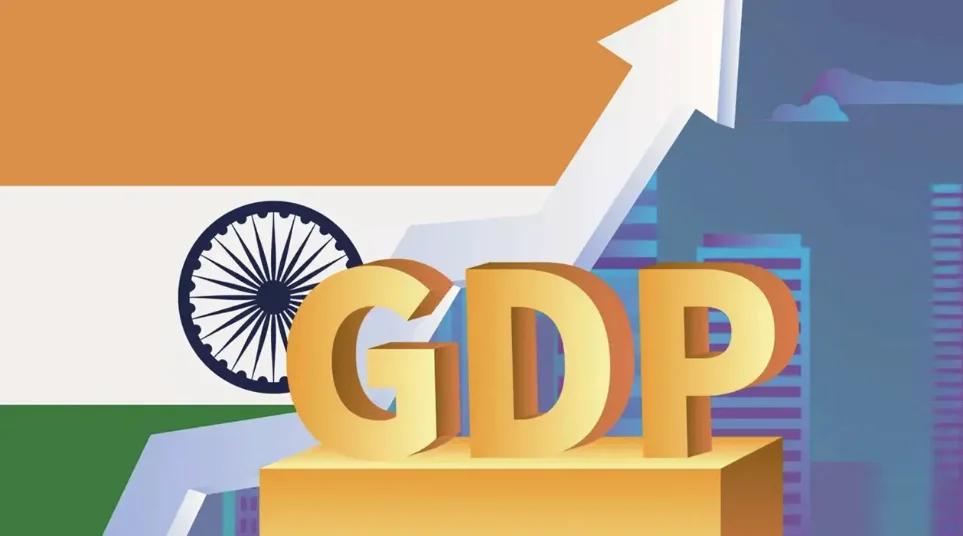
The release of India’s new GDP series has triggered debate over its methodology, the change in the base year, deflators and revisions to earlier estimates.
Opposition leaders have questioned differences between the old and new series and have used the figures to challenge the government’s claims about economic growth.
Goyal Hits Back at Critics
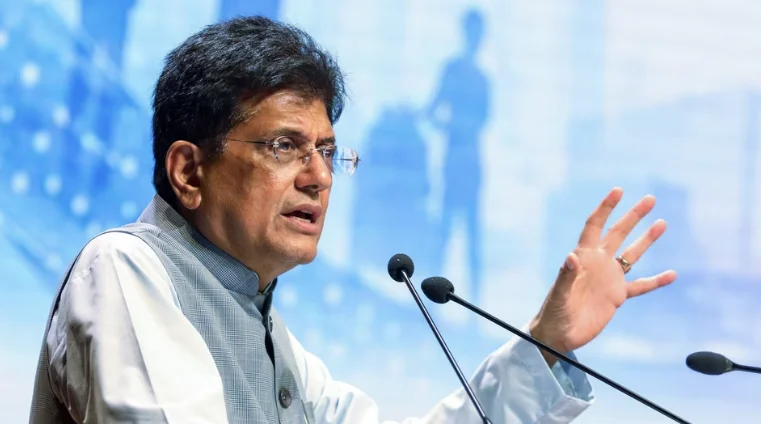
Responding to the criticism, Piyush Goyal accused some commentators of failing to understand the economic data they were discussing.
He criticised the use of what he described as incorrect GDP numbers and argued that political attacks should be based on accurate data.
His remarks have added a sharper political edge to an already contentious debate over India’s economic statistics.
‘Jobless People’ Remark Sparks Debate
Goyal’s remark that some “jobless people” describe themselves as economists quickly became a talking point.
While opposition parties and independent commentators have the right to question government policies, Goyal argued that economic criticism should be based on a proper understanding of official data and statistical methodology.
Centre Defends the New GDP Series
The government has already issued clarifications about the new GDP series, which uses 2022-23 as its base year.
It has addressed questions surrounding the negative manufacturing deflator, revisions to previous GDP estimates and differences between the GDP deflator and CPI-WPI inflation measures.
The Centre says the revised series uses newer and broader datasets to improve the measurement of economic activity.
Why Were Earlier Estimates Revised?
Earlier GDP estimates have changed under the new statistical framework.
The government has explained that national accounts are routinely revised when more comprehensive and updated data becomes available. It has rejected suggestions that revisions were deliberately made to make the current growth rate appear stronger.
Opposition Questions Economic Growth
Opposition parties continue to question the reliability of the GDP figures and the methodology used to calculate them.
They have also raised broader questions about whether strong headline GDP growth is translating into comparable gains in employment, household incomes and consumer demand.
Understanding GDP Requires More Than One Number
Experts generally examine several indicators when assessing an economy.
Base-year effects, nominal and real growth, deflators, industrial output, investment, consumption, exports and employment all provide different perspectives on economic performance.
Looking at a single GDP figure without understanding the methodology behind it can therefore lead to misleading conclusions.
Politics Versus Economic Statistics
The GDP debate has now moved beyond technical statistics into a broader political confrontation.
While the government is defending the revised data, opposition parties continue to question its credibility and methodology. Clear explanations of the underlying calculations are therefore essential for maintaining public confidence in official economic statistics.
Conclusion
Piyush Goyal’s sharp comments against critics of India’s GDP figures have added a new political dimension to the debate over the country’s economic data.
While the government maintains that the revised GDP series is based on improved data and methodology, opposition parties continue to question the figures and their interpretation. Ultimately, transparent statistical methods and accurate data will remain the strongest basis for assessing India’s economic performance.