Mirza Fakhrul Elected President
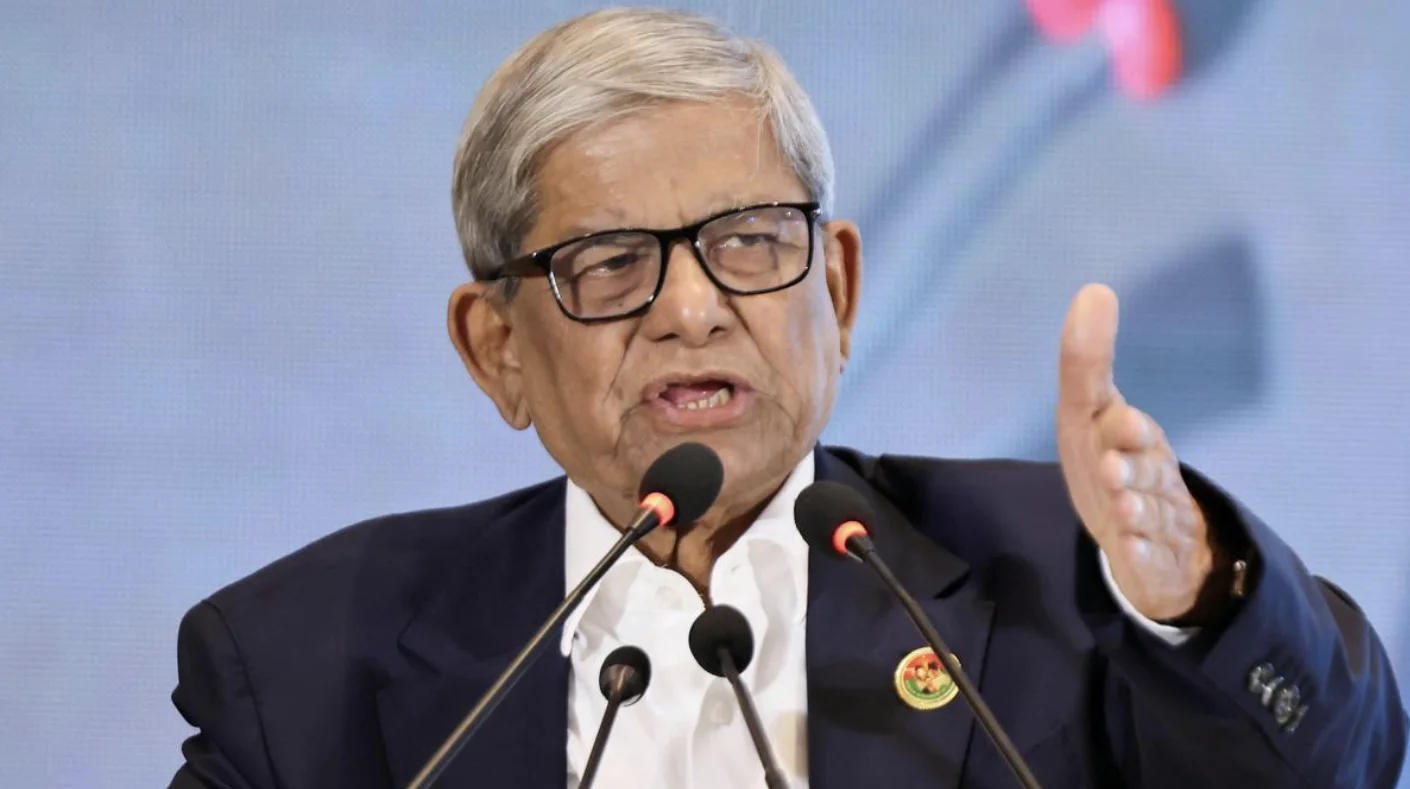
Bangladesh has a new President, with senior Bangladesh Nationalist Party leader Mirza Fakhrul Islam Alamgir elected to the country's highest constitutional office.
His election marks an important development in Bangladesh's political landscape and comes amid broader changes in the country's political system.
A Senior BNP Figure
Mirza Fakhrul has been one of the BNP's most prominent political figures for many years.
As the party's secretary general, he has played a central role in articulating its political positions and responding to major national developments.
His elevation to the presidency gives the BNP a significant presence in the country's highest constitutional office.
Political Transition
Bangladesh has experienced significant political developments in recent years, including changes in government, political competition and debates over the country's electoral and constitutional framework.
The election of a new President adds another important element to this transition.
Political stability and the functioning of constitutional institutions will be closely watched during the new phase.
Role of the President
The President serves as Bangladesh's head of state, while executive authority is primarily exercised by the government headed by the Prime Minister.
The presidency nevertheless carries important constitutional and ceremonial responsibilities.
The President also has responsibilities relating to appointments and the functioning of various constitutional institutions.
Working With the Government
One of the important responsibilities for the new President will be maintaining constitutional coordination with the government, Parliament and other institutions.
In a politically divided environment, the presidency can play an important role in maintaining institutional stability and constitutional continuity.
Implications for the BNP
Mirza Fakhrul's move to the presidency could also affect the BNP's internal political structure.
Having served as one of the party's leading political voices, his new constitutional role may require changes in the party's leadership and day-to-day political operations.
The BNP's future political strategy and relationship with the government will therefore be closely watched.
India-Bangladesh Relations
Political developments in Bangladesh can also influence the country's relations with neighbouring India.
The two countries have extensive ties involving trade, border management, security, connectivity and river-water issues.
The new political leadership will therefore face important regional policy considerations.
Economic Challenges
The country's new leadership also faces economic challenges.
Inflation, employment, investment, exports and social stability will remain important policy priorities.
Political stability will be essential for maintaining investor confidence and supporting economic activity.
Regional Significance
Bangladesh occupies an important position in South Asia, with close economic and strategic connections to India and other neighbouring countries.
Changes in its political leadership can therefore have implications beyond its domestic politics.
The new presidency is likely to be watched closely by regional governments and international partners.
Conclusion
BNP leader Mirza Fakhrul Islam Alamgir has been elected as Bangladesh's new President.
His election comes during an important period of political change in the country. Maintaining constitutional stability, coordinating with state institutions and navigating Bangladesh's domestic and regional priorities will be among the key challenges during his tenure.