Health
677 articles


No reports on nationwide shortage of anti-rabies vaccine: Nadda
Nadda clarified that health is a state subject and the primary responsibility for procurement, distribution and ensuring uninterrupted availability of anti-rabies vaccine (ARV) and rabies immunoglobulin (RIG) in public health facilities rests with the respective state and UT governments.

Researchers unveil new cancer strategy that can stop tumors before resistance takes hold
A new study suggests that doctors may be able to improve cure rates by switching therapies before a tumour has the opportunity to recover. Instead of waiting for the cancer to return after the initial therapy, the researchers recommend changing to a different treatment while the tumor is still shrinking.

FSSAI must notify front-of-pack nutrition labelling norms: Par Panel
With rising consumption of packaged and ultra-processed food, the panel stressed the timely availability of clear and easily understandable nutritional information to consumers for enabling informed dietary choices.

ASG shareholder approaches NCLT against co-founder, alleges oppression
In her petition at the Mumbai NCLT under Sections 241 and 242 of the Companies Act, Gang sought to restrain the company from amending its Articles of Association (AoA) to facilitate a proposed ₹450-crore financing deal by Singhvi for investing in ASG Hospitals, contending that the move violates contractual protections granted to her as a minority shareholder.


What Is Detox Tea? An Ayurvedic Guide to Herbal Detox Tea
Long before "detox tea" became a phrase typed into search bars, Indian households were simmering ginger, tulsi, or cumin in water each morning. Ayurveda never needed a new word for this ritual. It called it supporting Agni, the digestive fire, and helping the body do what it already does naturally: cleanse itself. TL;DR – Detox Tea, Ayurveda & Herbal Support Your Body Detoxifies Naturally: The liver, kidneys, lungs, skin, and digestive system already remove waste; detox tea only supports this process, not replaces it. Ayurveda Focuses on Agni: A good Ayurvedic detox routine strengthens digestive fire and helps prevent Ama build-up instead of relying on harsh cleanses or extreme fasting. Herbs Support Digestion and Balance: Ginger, tulsi, fennel, cumin, coriander, cinnamon, turmeric, and cardamom are commonly used for digestion, hydration, and metabolic support. Detox Tea Is Not a Weight-Loss Shortcut: It may replace sugary drinks and support healthier habits,

Safed Musli vs Ashwagandha: Which Ayurvedic Herb Should You Choose?
Safed Musli and Ashwagandha are two renowned Ayurvedic Rasayana herbs, but they support wellness in different ways. Safed Musli is traditionally valued for strength, stamina, and reproductive vitality, while Ashwagandha is widely used to support stress resilience, restful sleep, and overall vitality. This guide compares their traditional uses, dosage, safety, and how to choose the most suitable herb for your needs. Comparison at a Glance Feature Safed Musli Ashwagandha Botanical Name Chlorophytum borivilianum Withania somnifera Ayurvedic Classification Rasayana Rasayana Primary Traditional Use Physical vitality and reproductive wellness Stress resilience and nervous system support Dosha Focus Traditionally supports Vata Traditionally balances Vata and Kapha Common Forms Powder, tablets, Musli Pak Powder, tablets, capsules Best For Stamina, recovery, vitality Stress, sleep, focus, resilience What is Safed Musli? Safed M

How to Remove Stains from Teeth Without Harsh Chemicals
Teeth stains are changes in tooth colour caused by foods, drinks, tobacco, ageing, plaque, or factors within the tooth itself. Ayurveda approaches tooth discoloration by supporting oral hygiene, healthy gums, balanced saliva, and overall oral wellness rather than focusing only on whitening. This guide explains the causes, prevention strategies, Ayurvedic practices, and evidence-informed oral care tips. Teeth Stains at a Glance Feature Details Common Types Yellow, brown, black, intrinsic stains Common Causes Tea, coffee, tobacco, plaque, ageing, certain medicines Ayurvedic Focus Oral hygiene, healthy gums, balanced saliva, dosha balance Daily Prevention Brushing, flossing, tongue scraping, rinsing after meals Herbal Ingredients Neem, Khadir, Triphala, Haritaki, Turmeric When to See a Dentist Persistent stains, pain, bleeding gums, tooth sensitivity TL;DR – Teeth Staining, Causes & Ayurvedic Remedies Teeth Staining Has Root Causes:

Delhi HC seeks Centre's response to plea against HPV vaccination
A bench of Chief Justice D K Upadhyaya and Justice Tejas Karia said the plea raised a "very serious" issue as it concerned the health of girls and women in the country. The court issued notices to the central government and the Indian Council of Medical Research (ICMR)

Mental wellness, healthy lifestyles are India's new priorities: Health Secy at BRICS meet
Speaking with the media on the sidelines of the exhibition on the second day of the ministerial meeting, Health Secretary Punya Salila Srivastava said officials from all 11 BRICS member countries and 10 partner nations were deliberating on nine agenda items under the health track.


Brain disorders associated with increased brain ageing: Study
The conditions analysed included attention deficit hyperactivity disorder (ADHD), autism spectrum disorder (ASD), alcohol or tobacco addiction, Alzheimer's disease, mild cognitive impairment, schizophrenia, bipolar disorder and major depressive disorder.

Organic Amla (Indian Gooseberry): The Ayurvedic Superfruit for Everyday Health
Organic Amla (Amalaki) is the fruit of Emblica officinalis and is one of Ayurveda's most valued Rasayana herbs. Traditionally used to support digestion, immunity, healthy ageing, and overall vitality, it is naturally rich in vitamin C, polyphenols, and antioxidants. This guide explains its Ayurvedic significance, nutritional profile, traditional uses, daily routine, and current scientific understanding. Amla at a Glance Feature Details Botanical Name Emblica officinalis Ayurvedic Name Amalaki Classification Rasayana Part Used Fruit Taste (Rasa) Five tastes (except salty) Dosha Action Traditionally balances Vata, Pitta and Kapha Common Forms Fresh fruit, powder, juice, capsules, Churna Best Time As part of a daily wellness routine or as advised by an Ayurvedic practitioner What Is Organic Amla (Amalaki)? Amla, also known as Indian Gooseberry, is a small, round fruit with a special place in Ayurveda and Indian culture. Its

What Is Saraswatarishta? Benefits, Ingredients & Ayurvedic Guide
Saraswatarishta is a classical Ayurvedic fermented herbal formulation (Arishta) classified as a Medhya Rasayana. Traditionally used to support memory, concentration, speech, emotional balance, and nervous system health, it combines Brahmi with other Ayurvedic herbs through natural fermentation. This guide explains its ingredients, traditional uses, dosage, safety, and current scientific understanding. Saraswatarishta at a Glance" Feature Details Ayurvedic Classification Medhya Rasayana Formulation Type Arishta (fermented herbal preparation) Primary Herb Brahmi (Bacopa monnieri) Traditional Uses Memory, concentration, speech, emotional wellbeing Dosha Focus Traditionally balances Vata and Pitta Best Time Usually after meals with equal water, unless otherwise advised Suitable For Adults; use in children only under professional guidance What Is Saraswatarishta? Saraswatarishta is a Medhya Rasayana, a category of Ayurvedic medicin
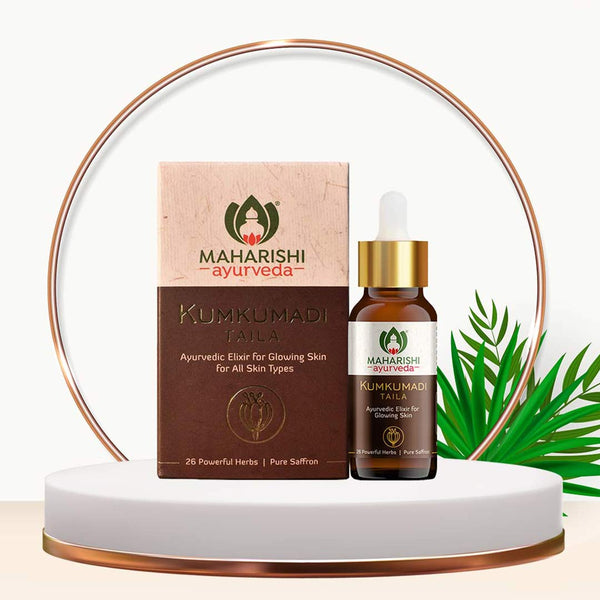
9 Kumkumadi Oil Benefits for Face
Kumkumadi Tailam is a classical Ayurvedic facial oil prepared with saffron (Kumkuma), sandalwood, Manjistha, sesame oil, and other traditional herbs. It has been used for centuries to support skin radiance, hydration, an even-looking complexion, and healthy skin ageing. This guide explains its ingredients, traditional Ayurvedic uses, application methods, safety, and current scientific understanding. Click here to read the complete guide to Kumkumadi oil--> Kumkumadi Oil at a Glance Feature Details Ayurvedic Formulation Kumkumadi Tailam Primary Ingredient Saffron (Kumkuma) Base Oil Sesame Oil (Tila Taila) Traditionally Used For Skin radiance, hydration, healthy-looking complexion Suitable For Most skin types (patch test recommended) Best Time Evening or night after cleansing Application 3–5 drops with gentle facial massage Why Is Kumkumadi Oil Used in Ayurvedic Skincare? Modern skincare often prioritizes speed over sustainabilit


How to Sleep Better at Night Naturally
Sleeping well naturally starts with healthy daily habits, a consistent bedtime routine, and a balanced mind-body state. In Ayurveda, quality sleep (Nidra) is considered one of the three pillars of health. This guide explains common causes of poor sleep, practical bedtime habits, Ayurvedic perspectives, and evidence-informed strategies to help support restful sleep. Sleep at a Glance Feature Details Ayurvedic Term Nidra Importance One of the three pillars of health (Trayopastambha) Common Causes Stress, irregular routine, excessive screen time, caffeine, poor sleep hygiene Ayurvedic Focus Balance doshas, calm the mind, support digestion Lifestyle Support Consistent sleep schedule, calming bedtime routine Herbs Traditionally Used Ashwagandha, Brahmi, Jatamansi, Tagara (individualized guidance recommended) Here are some of the best tips that will help you get Deep Sleep Naturally. These are even beneficial for you if you feel sluggish al


NCW panel forms 3 groups to examine various issues linked to ART, IVF services
The decision was taken at the first meeting of the Expert Committee on Assisted Reproductive Technology (ART), IVF Clinics and Protection of Women's Reproductive Rights, convened by NCW chairperson Vijaya Rahatkar.


Tongue Cleaning Before or After Brushing? Ayurveda Guide
In Ayurveda, oral care is not limited to brushing the teeth. The mouth is considered the first gateway to digestion, taste, freshness and overall wellness. This is why tongue cleaning, also known as Jihva Nirlekhana or Jihwa Prakshalana, has been described as an important part of Dinacharya, the daily Ayurvedic routine. A coated tongue, bad breath or dull taste may indicate the presence of Ama, poor oral hygiene or Kapha accumulation in the mouth. Regular use of a tongue cleaner or tongue scraper helps remove this coating and supports a cleaner, fresher start to the day. As Ayurveda reminds us: सर्वे रोगाः मन्देऽग्नौSarve Rogāḥ Mande’gnau“All diseases arise due to weakened Agni.” Ayurvedically, the tongue is cleaned every day, as digestion starts in the mouth with chewing, saliva and taste sensations. TL;DR – Tongue Cleaning, Oral Hygiene & Ayurveda Clean Your Tongue Before Brushing: Ayurveda recommends tongue scraping first in the morning to remove overnight coating befor