Health
676 articles

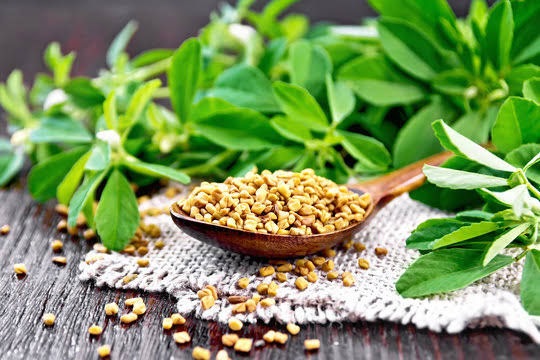
Fenugreek Seeds: Ayurvedic Benefits, Uses, Nutrition & Daily Consumption
If you have grown up in an Indian kitchen, you have likely seen small, yellowish-brown seeds in the spice box. These are fenugreek seeds, known as methi seeds in most homes. In Ayurveda, this humble seed is valued for supporting digestion, metabolism, joint comfort and overall wellness. Here is what fenugreek seeds are, what Ayurveda says about them, their nutrition, benefits and simple ways to use them daily. TL;DR – Fenugreek Seeds Benefits, Uses & Cautions Fenugreek Supports Digestion: Methi seeds are traditionally used to kindle Agni, reduce bloating, support metabolism, and balance Vata and Kapha. Helpful for Blood Sugar Balance: Soluble fibre, galactomannan, and 4-Hydroxyisoleucine may help slow carbohydrate absorption and support healthy glucose metabolism. Supports Joint and Women’s Wellness: Its warming, Vata-balancing nature may help with stiffness, mobility, postpartum recovery, menstrual comfort, and strength. Easy to Use Daily: Fenugreek can be taken as overnight-so

Hospitals' Body Rejects Insurers' Advisory on Admissions for Fever
The Association of Healthcare Providers (India) (AHPI), which represents more than 21,000 hospitals, said the advisory should be seen only as a guideline and warned it would oppose any attempt by insurers to use it to deny cashless approvals or reject claims.


Global breastfeeding rates rise, India yet to arrest decline
Responding to a question in the Rajya Sabha, the Union health ministry attributed the decline in India's exclusive breastfeeding rate to multiple factors, including socio-cultural practices, family customs, individual preferences, the use of pre-lacteal feeds and infant milk substitutes, and breastfeeding frequency.

Over 53% TB prescriptions outside govt progs faulty: Study
The study led by doctors from Indira Gandhi Govt Medical College (IGGMC), Nagpur, has found that 53.3% of anti-TB prescriptions issued in healthcare settings outside National Tuberculosis Elimination Programme (NTEP) do not follow recommended treatment guidelines.

Ebola outbreak in DR Congo 'intensifying': WHO
The Ebola outbreak in the Democratic Republic of Congo is intensifying at an "exceptional" pace, the World Health Organization warned on Saturday, calling for a significant scaling-up of the health response. A vaccine described by the World Health Organization as the "most promising" to fight the current outbreak will be developed by Singapore-based Hilleman Laboratories, it announced on Thursday.

After 'Ozempic Face', experts warn of 'Ozempic Hair' as hair loss concerns grow
A 2025 study published in PubMed Central (PMC), titled Prevalence and Predictors of Hair Shedding Among GLP-1 Receptor Agonist Users, found that nearly seven out of ten GLP-1 users reported some degree of hair shedding in real-world settings.

FSSAI cracks down on three firms over food safety violations
The regulator said the actions were taken to protect consumers and ensure compliance with food safety laws. It warned that violations of the Food Safety and Standards Act, 2006, would invite strict legal and penal action.

TPG, Permira emerge as frontrunners in Rs 11,000 crore Cloudnine sale
TPG Capital and Permira are leading contenders for a significant minority stake in Cloudnine. The deal is expected to value India's largest maternity and pediatric hospital chain at approximately ₹11,000 crore. Binding bids are anticipated by mid-August after due diligence is complete. This transaction will facilitate True North's full exit after over a decade of investment. Cloudnine posted ₹2,000 crore revenue and ₹300 crore Ebitda in FY26.
The Ayurvedic Way to Radiant, Healthy & Glowing Skin Naturally
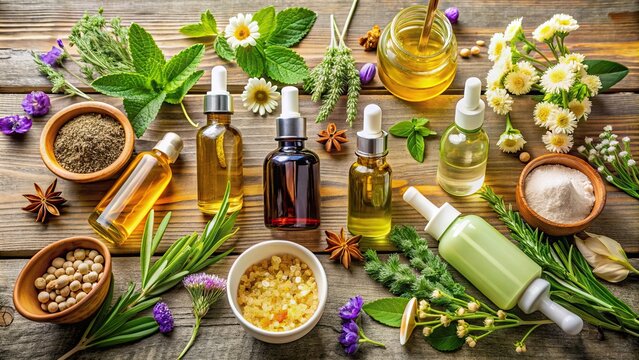
Approximately 80% consumers worldwide hold that facial skincare is essential in their daily routine.Of these, 65% consumers prefer natural and organic skincare products. Understanding Skin in Ayurveda Tvak – More Than an Outer Covering In Ayurveda, the skin is referred to as “Tvak”. Far from being a mere external covering, Tvak is regarded as a vital organ that reflects the internal state of the body. Healthy, radiant skin is therefore not just a matter of cosmetics; it’s a mirror of overall wellness. Development of Skin (Twak) Ayurvedic embryology describes the formation of skin as a delicate process. Tvak develops during fetal growth from the transformation of Rakta (blood) into Mansa (muscle). Classical texts compare it to cream forming on milk—a nuanced layering process that culminates in the sixth month of intrauterine life. The skin ultimately consists of seven distinct layers, each with protective and functional roles. Twak is also said to carry the quality of Sneha-sara (oiline
One-third of global 'bad' cholesterol burden occurred in India, China in 2023: Study
Findings published in The Journal of the American Medical Association (JAMA) show that absolute LDL cholesterol (LDL-C) burden has increased since 1990 due to demographic changes and shifted towards middle-sociodemographic countries, with population growth and ageing driving the increasing burden, researchers said.

AI, insurance to drive growth in Indian hospital sector: Deloitte survey
According to the report, 60 per cent of hospital CXOs surveyed expect the sector to grow 10 to 15 per cent in FY27, supported by rising insurance penetration, growing demand for organised healthcare, and continued bed expansion, with private equity and internal funding expected to support future growth plans.

Stem cell 'therapies' for Autism Spectrum Disorder: SC grants 4 weeks to Centre for detailed report
In a verdict delivered on January 30, the apex court said that stem cell 'therapies' for ASD cannot be offered by medical practitioners as a clinical service outside an approved and monitored clinical trial or research setting.
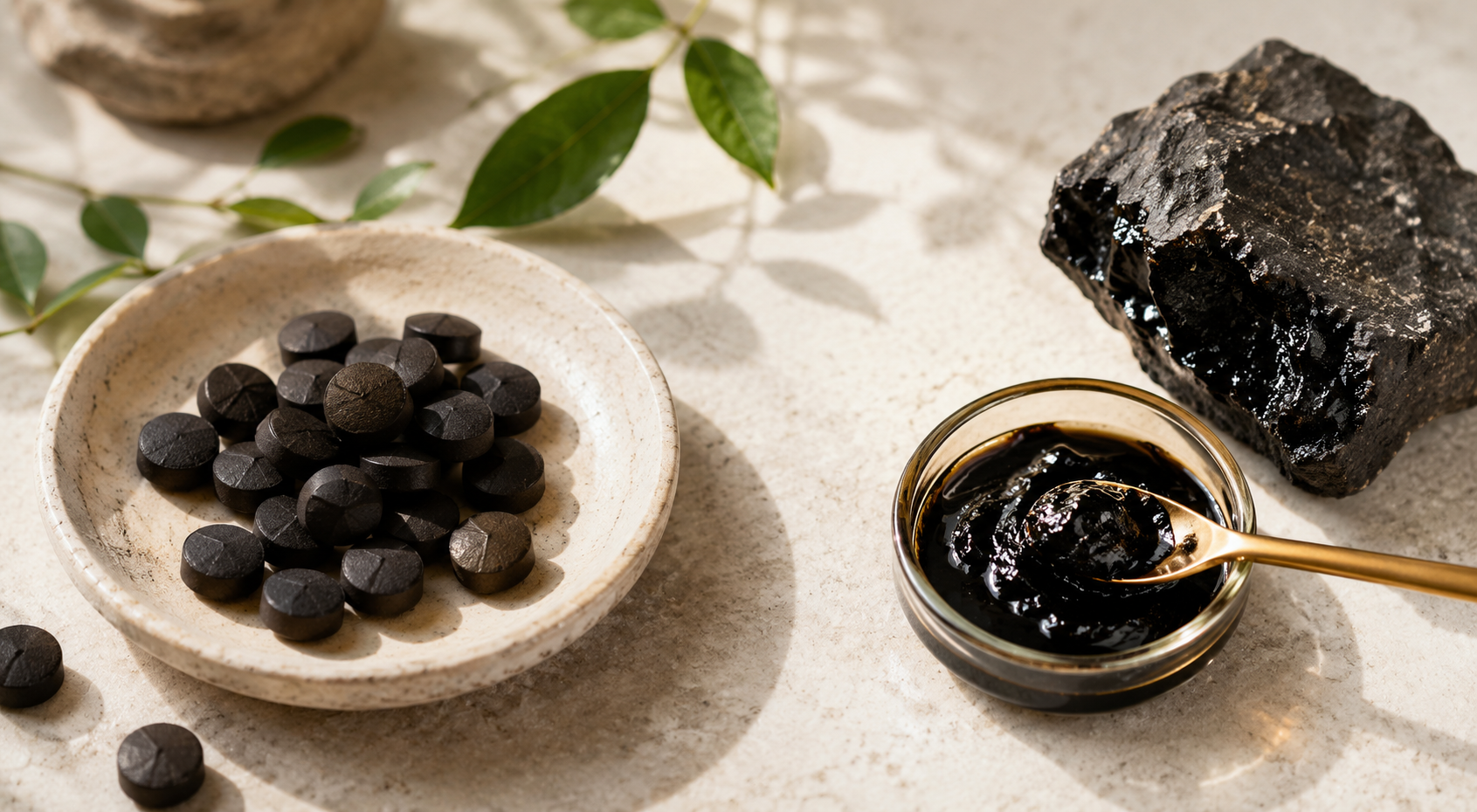
Shilajit Resin vs. Tablets: Which One Should You Choose?
Shilajit resin is the traditional, semi-solid form, while shilajit tablets are more convenient, pre-measured, and easier to use daily. The better choice depends on your priority: traditional use and minimal processing, or convenience and dosage control. Always choose purified, lab-tested shilajit from a trusted source. Shilajit has been used in Ayurveda as a rasayana, or rejuvenative substance, for strength, stamina, vitality, and overall wellness. Today, it is commonly available in two popular forms: resin and tablets. Resin is often seen as closer to the traditional form. Tablets are preferred by people who want a simple, fixed-dose supplement that is easier to carry and consume. But the real question is not only whether shilajit resin or tablets are better. The more important question is whether the product is purified, authentic, lab-tested, and suitable for your body. TL;DR – Shilajit Resin vs Tablets Resin Feels More Traditional: Shilajit resin is sticky, semi-solid,

Estimated cancer cases in North India rise nearly 10% over 5 years; Haryana sees sharpest spike
The estimated incidence of cancer cases increased by 11.26% in Haryana, 9.29% in Punjab, and 8.72% in Himachal Pradesh, according to estimates of the Indian Council of Medical Research's (ICMR) National Cancer Registry Programme (NCRP) tabled in Parliament by the Union health ministry.


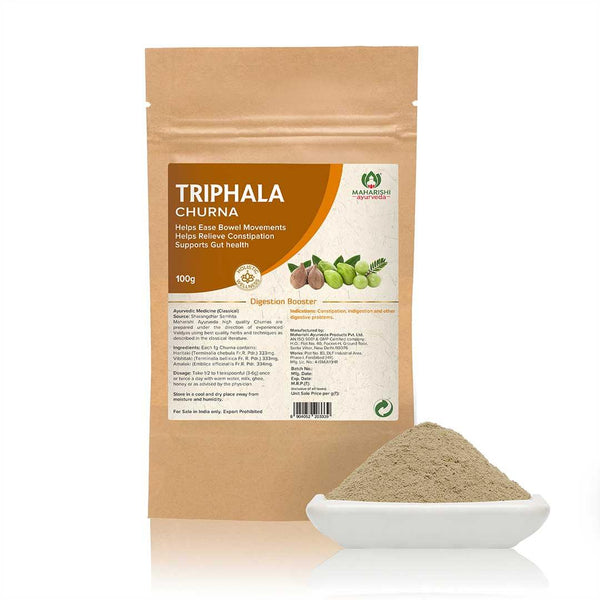
Triphala for Weight Loss: Best Time, Benefits & Ayurvedic Insights
Triphala is a classical Ayurvedic formulation made from Amalaki (Amla), Haritaki, and Bibhitaki. Traditionally used to support healthy digestion, regular elimination, and metabolic balance (Agni), Triphala is often included in Ayurvedic weight-management routines. This guide explains how Triphala may support healthy weight management when combined with balanced nutrition, physical activity, and healthy lifestyle habits. Triphala for Weight Loss at a Glance Feature Details Ayurvedic Classification Rasayana Main Ingredients Amla, Haritaki, Bibhitaki Traditional Focus Digestion, metabolism (Agni), bowel regularity Common Forms Powder (Churna), Tablets Best Time Morning on an empty stomach or bedtime, depending on the intended use Works Best With Balanced diet, exercise, sleep, hydration Weight Loss Role Supports digestive health and healthy lifestyle—not a standalone fat-loss solution TL;DR – Triphala for Weight Loss Ancient For

Rajnath Singh launches India's first military medicine facility to bolster defences against 'emerging threats'
The defence minister virtually inaugurated the Department of Military Medicine at the Command Hospital (Central Command) in Lucknow, asserting it will serve as a hub for research and development, preparing the nation to deal with "emerging threats".

Ahead of dengue vaccine rollout, all 4 strains found in circulation
The pan-India molecular surveillance study, led by ICMR-National Institute of Virology, Pune, analysed 6,889 lab-confirmed dengue samples collected through 45 virus research and diagnostic laboratories (VRDLs) across 25 states and UTs between 2023 and 2025. It found that dengue serotypes - at least two - were co-circulating in each state and UT included in the surveillance, indicating increasing hyperendemicity of the disease in India.