Health
677 articles


Poor muscle health could increase likelihood of developing diabetes: Study
People with sarcopenic obesity, the coexistence of excess body fat (obesity) and a loss of skeletal muscle mass and function (sarcopenia), were 19 per cent more likely to develop type 2 diabetes than people with obesity alone and 91 per cent more likely to develop the condition than those with sarcopenia alone, findings published in the journal Diabetes Care show.


PIL in Delhi HC seeks immediate operationalisation of Rs 400-cr Block at RML
The petition alleges that the delay has resulted in continued non-utilisation of healthcare infrastructure created from taxpayers' money, even as public hospitals continue to face overcrowding, shortage of beds and increasing demand for specialised treatment.
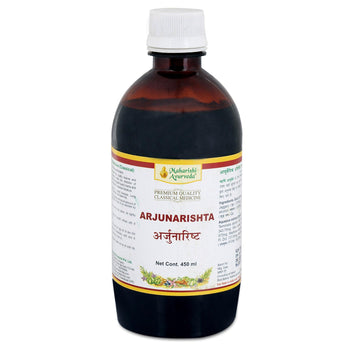
Ultimate Guide to Arjunarishta: Ayurvedic Heart Tonic Benefits
Arjunarishta is a classical Ayurvedic fermented formulation prepared primarily from Arjuna (Terminalia arjuna) bark and supporting herbs. Traditionally classified as a Hṛdya Rasayana (heart-supporting rejuvenative), it is used in Ayurveda to support cardiovascular wellness, healthy circulation, vitality, and overall wellbeing. This guide explains its ingredients, traditional uses, dosage, precautions, and current scientific understanding. Arjunarishta at a Glance Attribute Details Formulation Type Classical Ayurvedic Arishta Main Herb Arjuna (Terminalia arjuna) Traditional Classification Hṛdya Rasayana Traditionally Used For Heart wellness, circulation, vitality Dosha Focus Traditionally supports Vata and Pitta balance (based on individual assessment) Available Form Fermented liquid formulation Quick TL;DR — Arjunarishta What it is: Ayurvedic fermented tonic made from Arjuna bark and synergistic herbs. Heart Support: Strengthens heart muscles, aids circulati
Understanding Pitta Dosha: Symptoms, Natural Remedies & Ideal Diet
Pitta Dosha is one of the three doshas in Ayurveda and is associated with the fire and water elements. It governs digestion, metabolism, body temperature, and transformation. When balanced, Pitta supports sharp intellect, healthy digestion, and vitality. When aggravated, it may contribute to excess heat, acidity, irritability, and skin concerns. This guide explains Pitta's characteristics, diet, lifestyle, and traditional Ayurvedic approaches to maintaining balance. Pitta Dosha at a Glance Attribute Details Elements Fire + Water Primary Functions Digestion, metabolism, transformation Dominant Qualities Hot, sharp, light, slightly oily Balanced State Clear thinking, healthy digestion, vitality Signs of Imbalance Heat, acidity, irritability, inflammation Traditionally Balanced By Cooling foods, calming routines, appropriate herbs TL;DR – Understanding Pitta Dosha Nature of Pitta: Composed of fire and water, Pitta governs digestion, metabolism, and transformati

Giloy (Guduchi): Benefits, Uses, Forms & Side Effects in Ayurveda
Giloy (Tinospora cordifolia), also known as Guduchi, is one of Ayurveda's most valued Rasayana herbs. Traditionally used to support immunity, digestion, metabolism, and overall vitality, it is regarded as a tridosha-balancing herb. This guide explores Giloy's traditional uses, available forms, dosage, safety considerations, and current scientific understanding. Giloy at a Glance Attribute Details Botanical Name Tinospora cordifolia Sanskrit Name Guduchi, Amrita Common Name Giloy Ayurvedic Classification Rasayana Traditionally Used For Immunity, digestion, vitality, liver wellness Dosha Action Traditionally balances Vata, Pitta and Kapha Available Forms Juice, Powder, Tablets, Satva, Decoction TL;DR – Giloy (Guduchi) Benefits & Best Forms Immunity & Longevity: Giloy is a rasayana (“nectar of immortality”) that strengthens immunity, detoxifies, and supports long-term vitality. Fever & Recovery: Traditionally used for chronic and seasonal fevers, dengue, and

Sitopaladi Churna: Respiratory Health, Immunity & Digestion
Sitopaladi Churna is a classical Ayurvedic herbal formulation prepared with five key ingredients: Mishri (Sitopala), Vanshlochan (Tugakshiri), Pippali, Elaichi, and Dalchini. Traditionally, it is used to support respiratory wellness, digestion, and overall vitality. This guide explains its ingredients, traditional Ayurvedic uses, dosage, precautions, and current scientific understanding. Sitopaladi Churna at a Glance Attribute Details Formulation Type Classical Ayurvedic Churna Main Ingredients Mishri, Vanshlochan, Pippali, Elaichi, Dalchini Traditional Uses Respiratory wellness, digestion, appetite support Dosha Focus Traditionally supports Kapha and Pitta balance Available Form Herbal powder What is Sitopaladi Churna? Sitopaladi Churna is a cherished Ayurvedic herbal powder that embodies the wisdom of ancient healing traditions. Its name derives from the first syllables of its key ingredients: Sitopala (Mishri), Tugakshiri (Vanshlochan), Pippali, Elaichi, and Da

Long COVID may involve injury to dopamine-producing neurons: Study
The finding, published in the journal eBioMedicine, may explain symptoms such as lack of motivation due to fatigue, slowed movement, and memory difficulties, and could open the door to new treatment strategies, researchers said.

PE firms in talks to buy up to 25% stake in Agappe Diagnostics
The proposed deal would comprise a secondary sale by existing investors and a primary infusion of capital, totalling ₹700-750 crore, the people said. It is likely to value Kochi-headquartered Agappe, counted among India's top in-vitro diagnostics (IVD) firms, at ₹3,000-3,200 crore, they said. Alvarez & Marsal is advising the promoters on the stake sale.

What Should I Eat During Monsoon According to Ayurveda?
According to Ayurveda, the ideal monsoon diet includes warm, freshly cooked, light, and easily digestible foods such as khichdi, dal, soups, steamed vegetables, ginger tea, cumin water, and seasonal fruits. These foods help support Agni, improve digestion, balance Vata, manage accumulated Pitta, and strengthen seasonal immunity. Monsoon brings relief from summer heat, but it also brings humidity, dampness, infections, weak digestion, and food safety concerns. In Ayurveda, the rainy season is known as Varsha Ritu, a time when the body’s digestive fire, or Agni, becomes weaker. This is why Ayurveda recommends a different diet during monsoon. Instead of heavy, cold, stale, fried, or raw foods, the focus shifts to warm cooked meals, digestive spices, boiled water, herbal teas, light grains, soups, and simple meals like khichdi. The goal is not complicated. Eat food that is fresh, warm, light, and easy to digest. TL;DR – Ayurvedic Monsoon Diet & Food Tips Monsoon Weakens Digesti
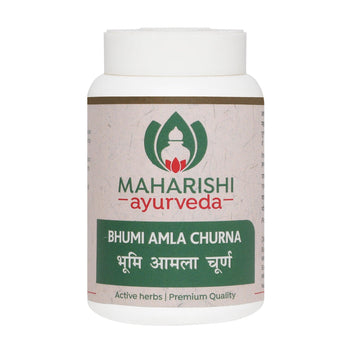
Bhumi Amla – Ayurvedic Herb for Liver Health, Digestion & Immunity
Bhumi Amla (Phyllanthus niruri), also known as Bhumyamalaki, is an Ayurvedic herb traditionally valued for supporting liver health, digestion, urinary wellness, and natural detoxification. Ayurveda classifies it as a cooling herb commonly used in Pitta-related conditions. This guide explains Bhumi Amla’s traditional uses, dosage, safety considerations, and current scientific understanding. Bhumi Amla at a Glance Attribute Details Botanical Name Phyllanthus niruri Sanskrit Name Bhumyamalaki Common Name Bhumi Amla Ayurvedic Nature Cooling Traditionally Used For Liver wellness, digestion, urinary support Key Compounds Phyllanthin, flavonoids, lignans Available Forms Juice, Powder, Capsules, Tablets TL;DR – Bhumi Amla for Liver, Digestion & Immunity Liver Protector: Traditionally used in Ayurveda for hepatitis, jaundice, and fatty liver—thanks to its hepatoprotective compounds like phyllanthin. Digestive Strengthener: Acts as deepana and pachana—boosting appe

Quadria-backed Maxivision hires IPO bankers, sources say
Founded in 1996, Maxivision operates more than 90 eye-care centres across six states. It competes with chains including Dr. Agarwal's Health Care, Centre for Sight and ASG Eye Hospitals in a fast-growing market driven by an ageing population, rising diabetes rates and broader health insurance coverage.
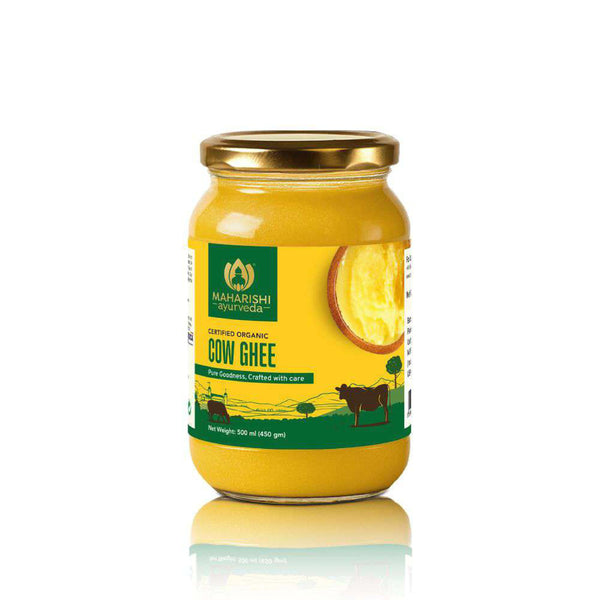
Top 10 Benefits of Ghee for Skin: Ayurvedic Secret to Radiant Glow
Ghee (Ghrita) is one of Ayurveda's most valued nourishing substances and has traditionally been used to moisturise the skin, support the skin barrier, and promote a healthy complexion. Rich in fat-soluble vitamins and healthy fats, it is commonly used both internally and externally as part of Ayurvedic skincare. This guide explains the traditional benefits of ghee for skin, how to use it safely, and what current research suggests. Ghee for Skin at a Glance Attribute Details Ayurvedic Name Ghrita Ayurvedic Nature Nourishing (Sneha), Cooling Traditionally Used For Dry skin, lip care, massage, skin nourishment Key Nutrients Vitamins A, E, healthy fats, butyric acid Common Uses Face masks, lip care, Abhyanga, body moisturiser Suitable For Especially Vata and Pitta skin types (individual needs vary) TL;DR – Ghee for Skin: 5 Important Points Ayurvedic Elixir for Skin: Ghee (Ghrita) is Sneha love and nourishment in Ayurvedic terms deeply moisturizing, cooling, and

Covid-19 cases in Andhra Pradesh not a sign of resurgence: Doctors
Doctors said the two Covid-19 deaths and eight active cases in Andhra Pradesh's Kadapa district are an isolated cluster and not a sign of resurgence of the virus. They added that a combination of factors like waning immunity, viral mutation, and renewed testing could be behind the sporadic outbreak.

What Is the Best Time to Drink Green Tea?
The best time to drink green tea depends on your wellness goals, daily routine, and caffeine sensitivity. Many people prefer mid-morning or early afternoon, while Ayurveda also considers digestion, body constitution (dosha), and seasonal routines. This guide explains when to drink green tea for different goals, when to avoid it, and how to enjoy it as part of a balanced lifestyle. Green Tea Timing at a Glance Goal Best Time Morning energy 30–60 minutes after breakfast Mental focus Mid-morning Weight management Before exercise or between meals Digestion Between meals (if tolerated) Evening Avoid if sensitive to caffeine Why Does the Time You Drink Green Tea Matter? In recent years, green tea has received plenty of media attention for its antioxidant benefits and weight optimisation properties. In all of this, a significant aspect, critical to ensure that you get the full benefits, is often overlooked: the time you drink your cup of goodness! Yes, you need to match

Breast cancer survival rate up, but India lags behind rich nations: WHO
India's estimated five-year breast cancer survival rate for women diagnosed during 2017-2021 stands at 65.7%, compared with a global median of 77.8%, according to the WHO estimates published in 'Nature Medicine'. Survival reaches 87.3% in high-income countries, 88.5% in the WHO region of the Americas and 84% in the European region.
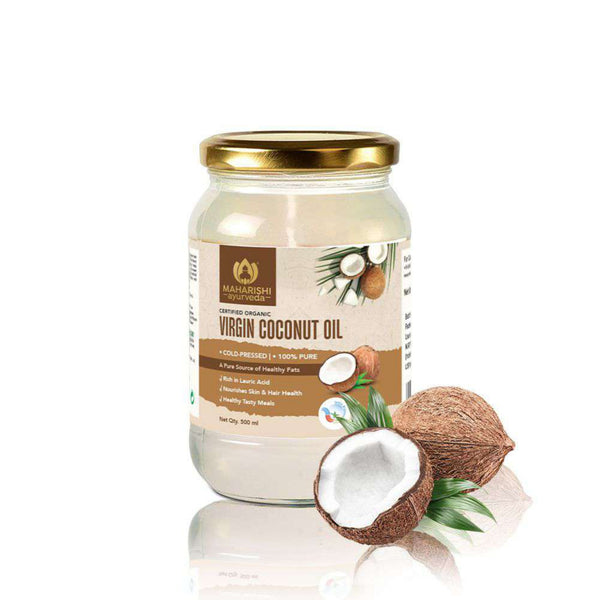
Virgin Coconut Oil: Benefits, uses, side effects, and more
Virgin Coconut Oil (VCO) is a cold-pressed oil extracted from fresh coconut meat without high heat or chemical processing. In Ayurveda, it is traditionally valued for its cooling and nourishing qualities and is commonly used for cooking, skin care, hair care, massage, and oral care. This guide explains its nutrition, traditional uses, precautions, and current scientific understanding. Virgin Coconut Oil at a Glance Attribute Details Source Fresh coconut meat Extraction Method Cold pressed Ayurvedic Nature Cooling and nourishing Traditionally Used For Cooking, skin care, hair care, massage, oil pulling Key Components Lauric acid, medium-chain triglycerides (MCTs) Common Forms Virgin, cold-pressed, refined TL;DR – Virgin Coconut Oil (VCO) Pure & Natural: Extracted from fresh coconut meat without heat or chemicals, retaining aroma, nutrients, and MCTs for holistic wellness. Ayurvedic Essence: Cooling and nourishing—balances Pitta and Vata, used in Nasya, Abhya

Crunch time for lifestyle diseases as govt plans fitness push
According to recent government data, nearly half of the country's population reported non-communicable diseases and metabolic disorders compared to just 31% a decade ago, with a sharp rise in cases of diabetes, hypertension, cardiovascular ailments and obesity among others.

Low-cost preventive health measures offer multi-trillion-dollar economic gains by 2040: WEF
The report, "The Longevity Dividend: The Business Case for Linking Health and Wealth", argues that governments and businesses should stop treating health and wealth as separate policy areas and instead view preventive healthcare as an economic investment.

Certain patients with advanced lung cancer may be saved by transplant
Tracking adults with terminal lung cancer confined to the lungs who were out of treatment options, doctors found lung transplantation was associated with substantially better early survival than medical management alone. Seventeen such patients underwent lung transplant and 81 received medical management alone, in a study reported in JAMA.

Ayushman Bharat accounts exceed 93 Cr, 105 Cr health records linked: Health Ministry
According to the ministry, ABDM has rapidly expanded across States and Union Territories through initiatives such as Model Districts, Model Facilities and Aarogya Setu 2.0, while strengthening integration with flagship government health programmes including Ayushman Bharat PM-JAY, CGHS, ESIC and Nikshay.

Desk jobs could be a silent cancer risk, study
Researchers cautioned that the observational study does not establish a direct cause-and-effect relationship. However, because activity levels were measured using wearable devices rather than self-reported questionnaires, findings provide stronger evidence than many earlier studies linking sedentary behaviour to cancer outcomes.

IVF clinics under scanner: NCW forms expert panel for review of regulatory framework, laws
While registration under the National ART & Surrogacy Registry is mandatory for all RT Clinics and Gamete Banks, the commission has observed that regulatory compliance alone has not been sufficient to prevent unethical practices.