Nearly 60,000 Cases in Six Months
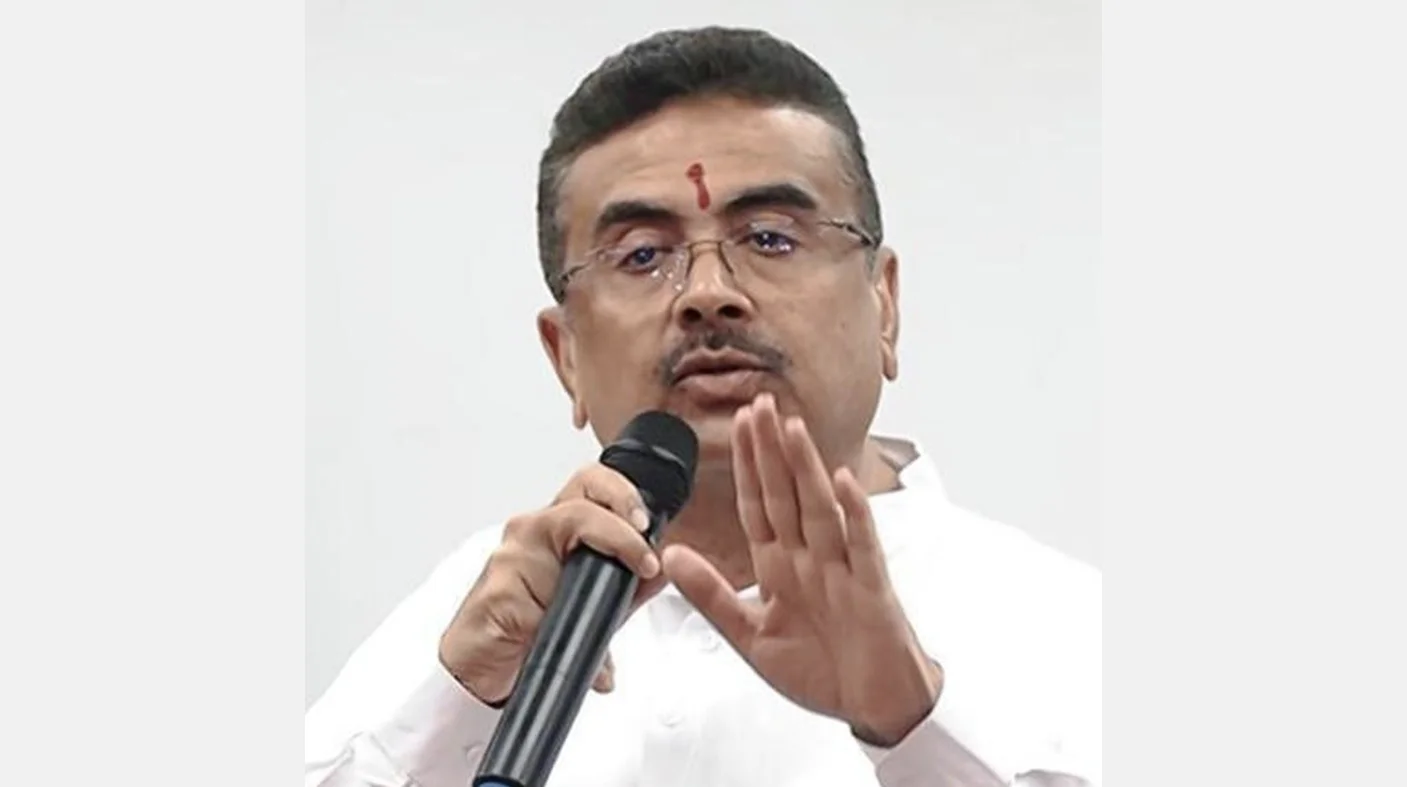
West Bengal recorded nearly 60,000 institutional deliveries involving underage girls between January 1 and June 30, 2026, Chief Minister Suvendu Adhikari said.
The figures were obtained from the state Health Department and have raised concerns over the continuing prevalence of child marriage, teenage pregnancy and childbirth involving girls below the legal age.
Murshidabad Tops the List
Murshidabad recorded the highest number of cases, with 12,847 institutional childbirths involving underage girls during the six-month period.
South 24 Parganas followed with 4,178 cases, according to the figures released by the state government.
Murshidabad has remained a major hotspot for child marriage. Data from the National Family Health Survey-5 showed that 55.4% of women aged 20–24 in the district reported being married before the age of 18.
Show-Cause Notices for Husbands
The state government plans to use health records on underage pregnancies and institutional deliveries to identify suspected cases of child marriage.
According to the chief minister, husbands linked to such cases may receive show-cause notices and be required to submit birth certificates or other documentary evidence proving that they are adults. Failure to provide the required documents within a month could lead to police action.
Legal Action Under Child Marriage and POCSO Laws
The government has said it will strictly enforce the Prohibition of Child Marriage Act, 2006, along with relevant provisions of the POCSO Act.
Action could extend beyond husbands to people who facilitate or solemnise marriages involving minors. Priests, qazis and other individuals involved in conducting such marriages could also face legal scrutiny.
Welfare Benefits Could Be Withheld
The proposed crackdown will not be limited to criminal proceedings.
The chief minister said families involved in cases of child marriage could lose access to benefits under Central and state welfare schemes. The government believes administrative action, combined with legal enforcement, could help deter the practice.
Experts Warn Against a One-Dimensional Approach
Experts working with affected communities have cautioned that child marriage is a complex social issue and cannot be addressed through arrests alone.
Family pressure, social conditions, elopement and cases involving underage grooms can all contribute to the problem. They have also warned that criminal action against husbands could place additional pressure on already vulnerable families and affect marital relationships.
Conclusion
The nearly 60,000 underage institutional deliveries recorded in West Bengal during the first half of 2026 have highlighted the continuing scale of child marriage and teenage pregnancy in the state. With Murshidabad recording the highest number of cases, the government has announced stronger legal and administrative action.
While enforcement is likely to play an important role, experts say that preventing child marriage will also require sustained efforts around education, family awareness, social protection and support for vulnerable girls.