


Why Is the Ebola Outbreak in Congo So Serious?
The Democratic Republic of Congo is facing an increasingly severe Ebola outbreak caused by the Bundibugyo virus, a species of Ebola virus.
The outbreak was declared in May 2026 after cases were identified in Ituri Province. Since then, transmission has expanded into several provinces and dozens of health zones.
By August 16, the outbreak had resulted in 4,945 confirmed cases and 2,325 deaths, according to reports, making it the deadliest Ebola outbreak in the country's history.
What Is Ebola?
Ebola is a severe viral disease that can cause serious illness and death.
The virus can spread through direct contact with the blood or other bodily fluids of an infected person. People caring for patients, family members and those involved in handling the bodies of people who have died from the disease can face significant exposure risks.
Early symptoms can resemble other common febrile illnesses, making rapid diagnosis particularly important.
What Are the Symptoms?
Ebola can begin with symptoms such as fever, weakness, headache and muscle pain.
As the illness progresses, patients may develop vomiting, diarrhoea, abdominal symptoms and dehydration. Severe cases can involve organ dysfunction and, in some patients, bleeding manifestations.
Symptoms can vary from person to person.
Which Virus Is Causing the Current Outbreak?
The current outbreak is caused by Bundibugyo virus.
It is a distinct species of Ebola virus that has previously caused outbreaks in Uganda and the Democratic Republic of Congo.
Laboratory testing identified the virus at the beginning of the current outbreak.
Why Is It Spreading So Quickly?
Several factors are making containment difficult.
The outbreak is occurring in areas affected by armed conflict, population displacement and high mobility. Limited access to healthcare, insecurity around health facilities and cross-border movement are also complicating surveillance and contact tracing.
These conditions can allow infections to go undetected for longer periods.
Why Does Delayed Detection Matter?
Speed is critical in Ebola response.
Once a suspected case is identified, isolating the patient, providing appropriate medical care and identifying close contacts can help prevent further transmission.
If diagnosis is delayed, an infected person may have already exposed multiple people.
The current outbreak has also seen many new infections without clear transmission links, suggesting that some chains of transmission remain undetected.
Is There a Vaccine?
One of the biggest challenges is that there is currently no approved vaccine or specific treatment for Bundibugyo virus disease, according to the WHO.
This distinguishes the current outbreak from outbreaks caused by other Ebola species for which vaccines and treatments have been developed.
Researchers are working on candidate vaccines and therapies, but some remain in early-stage testing.
Why Can't Existing Ebola Vaccines Simply Be Used?
Not all Ebola viruses are identical.
Vaccines developed against other Ebola species cannot automatically be assumed to provide effective protection against Bundibugyo virus.
That is why the development and evaluation of vaccines specifically targeting this virus have become important during the current outbreak.
How Is Ebola Treated?
Although there is no approved virus-specific treatment for Bundibugyo virus disease, supportive care remains essential.
Medical teams can manage dehydration, provide fluids and electrolytes, support oxygen requirements and treat complications and symptoms.
Early diagnosis and access to quality medical care can significantly improve the chances of survival.
Why Are Healthcare Workers at Risk?
Healthcare workers can face high exposure risks because they have direct contact with infected patients.
Without appropriate protective equipment and infection-prevention measures, healthcare facilities themselves can become sites of transmission.
Training, protective equipment, isolation facilities and strict infection-control procedures are therefore essential components of the response.
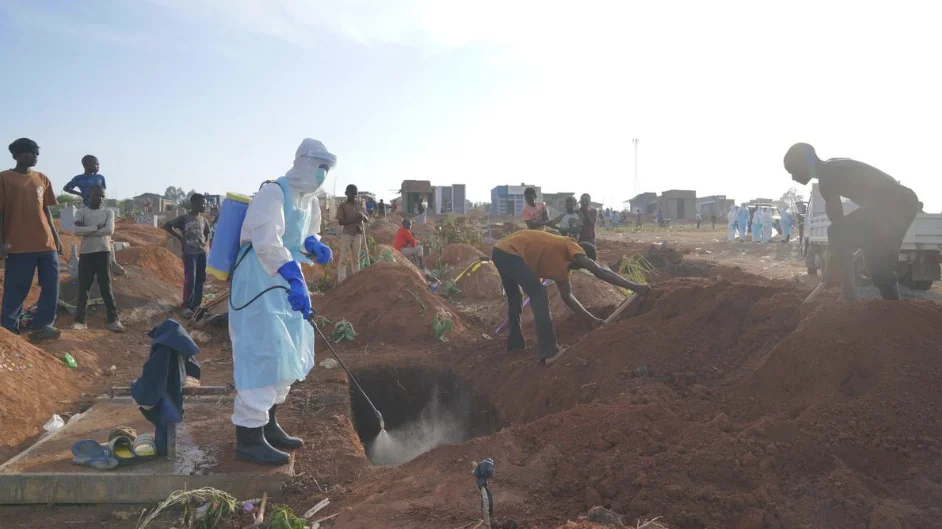
Why Are Safe Burials Important?
The virus can remain present in bodily fluids after a patient dies.
Traditional funeral practices involving direct contact with a deceased person can therefore create opportunities for transmission.
Safe burial procedures, combined with respectful engagement with affected communities, are an important part of Ebola control.
Why Does Community Engagement Matter?
Containing an Ebola outbreak cannot depend on hospitals and governments alone.
Communities play an important role in identifying symptoms, reporting suspected cases, supporting contact tracing and following safe burial practices.
The WHO has repeatedly stressed that community engagement is essential to controlling outbreaks effectively.
What Is the Global Risk?
The WHO has assessed the risk to the rest of Africa and globally as low based on available information, although cross-border transmission remains a concern.
Population movement across borders means neighbouring countries need strong surveillance and preparedness systems.
Uganda also experienced a Bundibugyo outbreak linked to transmission from the Democratic Republic of Congo, but authorities subsequently brought the outbreak under control.
What Is the WHO Doing?
The Congolese government, WHO and partner organisations are implementing a broad response.
Measures include surveillance, rapid case detection, laboratory testing, contact tracing, isolation, clinical care, infection prevention, community engagement and cross-border preparedness.
The WHO is also increasing hospital capacity and deploying additional epidemiologists and response personnel as the outbreak expands.
Can the Outbreak Still Be Controlled?
Despite the scale of the crisis, the WHO says the outbreak can still potentially be brought under control within months if sufficient resources are provided.
However, the response faces major obstacles, including funding gaps, insecurity, delayed detection and the large number of infections for which transmission chains remain unclear.
Conclusion
The Ebola outbreak in the Democratic Republic of Congo has become the deadliest Ebola outbreak in the country's history, with thousands of confirmed infections and deaths.
The Bundibugyo virus, the absence of an approved vaccine or specific treatment, conflict, displacement and weak healthcare access are making containment particularly difficult.
While the current global risk remains assessed as low, rapid diagnosis, isolation, contact tracing, high-quality supportive care and strong community participation will be essential to bringing the outbreak under control.