



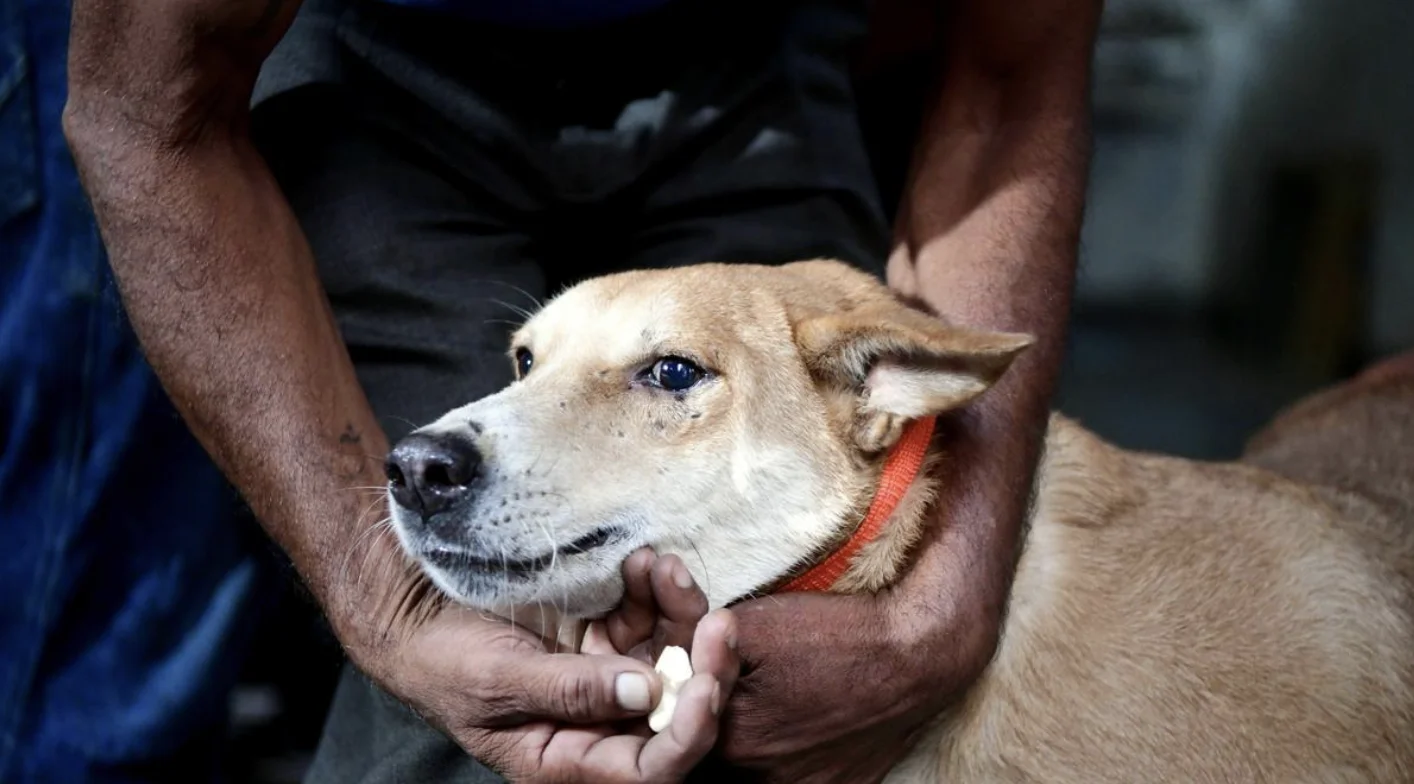
Historic WHO Recognition
The World Health Organization validated Bhutan’s achievement on September 4, 2026, making it the first country in the WHO South-East Asia Region to reach this milestone.
Rabies is a viral disease that is almost always fatal once clinical symptoms appear. However, deaths can be prevented through vaccination of dogs and timely post-exposure treatment following exposure to an infected animal.
No Human Deaths Since June 2023
Bhutan has reported no human deaths from dog-mediated rabies since June 2023. WHO experts assessed the country’s evidence and also conducted field verification of its rabies prevention and surveillance systems.
WHO’s validation criteria require countries to demonstrate at least two years without human deaths from dog-transmitted rabies, along with the ability to prevent the disease from re-emerging.
One Health Approach Behind the Success
A major factor behind Bhutan’s achievement has been its One Health approach, which brings together human health, animal health and environmental considerations.
Health authorities, veterinary professionals, local communities and volunteers have worked together to identify potential exposures, investigate suspected cases and implement preventive measures.
Mass Dog Vaccination
Bhutan has invested heavily in mass dog vaccination, dog population management and community awareness. These efforts have been supported by De-suung volunteers, known as the “Guardians of Peace”.
The programme helped expand vaccination and awareness activities across the country and strengthened community participation in rabies prevention.
Free Post-Exposure Treatment
Post-exposure prophylaxis, or PEP, is a critical tool in preventing rabies deaths after a potential exposure. It includes thorough wound washing, rabies vaccination and, when required, rabies immunoglobulin.
Bhutan plans to continue providing free access to PEP across all 20 districts. Mass dog vaccination, population management and integrated human-animal surveillance will also continue.
Lessons for the Region
Bhutan’s achievement provides an important example for other countries in South-East Asia. Strong coordination between health and veterinary authorities, widespread dog vaccination, community engagement and effective surveillance can significantly reduce the risk of human rabies.
Bhutan also plans to strengthen cross-border coordination with neighbouring Indian states to protect the gains made through its rabies control programme.
Conclusion
Bhutan has created a historic public health milestone by eliminating dog-transmitted human rabies as a public health problem. Its success demonstrates how sustained vaccination, community participation, accessible treatment, surveillance and the One Health approach can work together to prevent a deadly but preventable disease.