Business
20102 articles



Crude oil prices end winning run with first weekly fall in nearly a month. Can liquid gold slide further?
Crude oil prices posted their first weekly decline in three weeks as improving flows through the Strait of Hormuz eased supply concerns. Brent fell over 5% for the week, while WTI declined more than 4%. However, prolonged shipping disruptions could push prices higher, with JPMorgan and Goldman Sachs flagging upside risks.
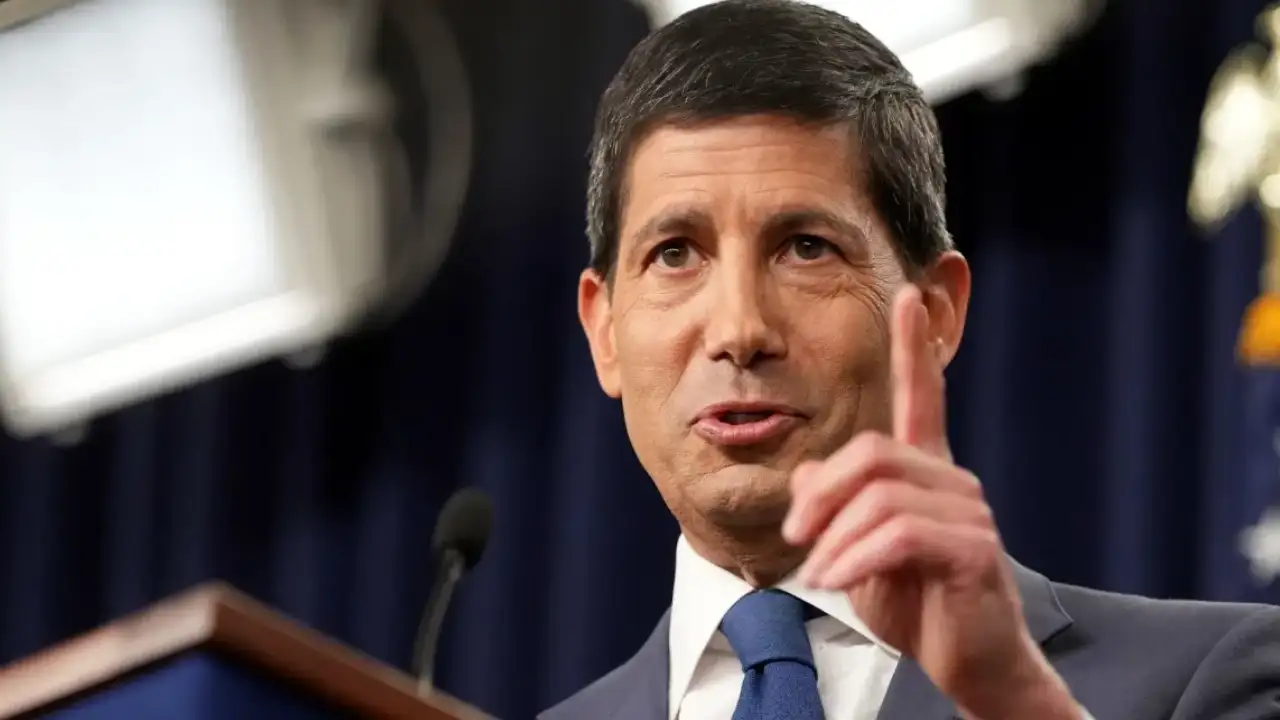
Investors heartened by Warsh inflation talk, still uncertain about Fed action
Federal Reserve Chair Kevin Warsh made it clear that inflation control is a top priority. He suggested that to combat escalating price pressures, interest rate hikes may soon be necessary. This announcement sent the markets into a hawkish frenzy, heightening expectations for a rate increase come September. Investors remain cautious, eagerly anticipating key economic data on jobs and inflation for guidance on potential Fed actions.

Wall Street Week Ahead: Jobs report, Broadcom results pose next hurdles for stock market rally
In the coming week, the U.S. jobs data will be a focal point for investors, potentially impacting the Federal Reserve's interest rate strategies. Broadcom's quarterly results are anticipated right after Nvidia's stellar performance. The sustained rise in corporate profits is driving a bullish phase in U.S. equities, with optimism fueled by robust activities in the manufacturing and services sectors.
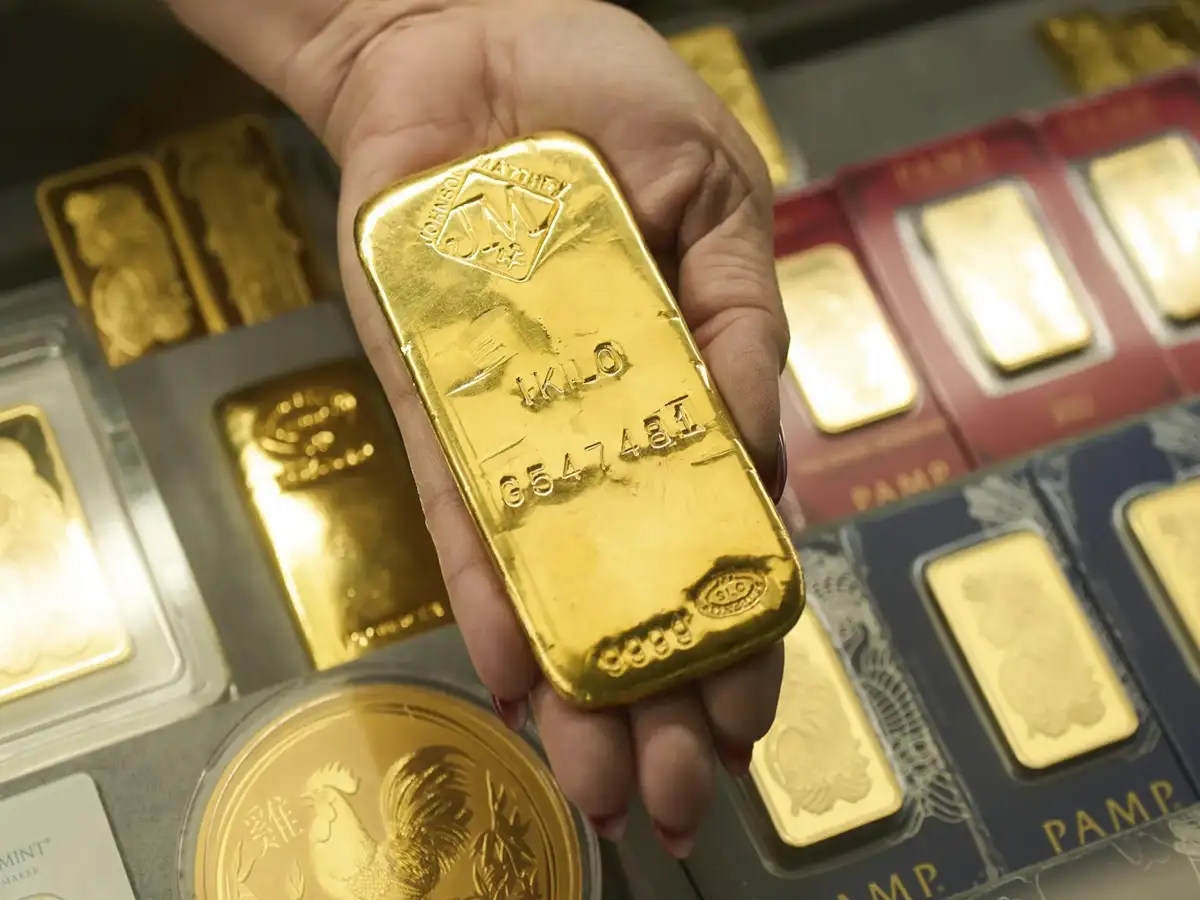
Gold drops 3% as Fed's Warsh comments lift rate hike bets
On Friday, gold prices plummeted by more than three percent due to comments from Federal Reserve Chairman Kevin Warsh regarding inflation. As a result, traders heightened their expectations for a possible interest rate increase in September. Consequently, gold futures closed lower, retreating from their recent peaks, while a stronger dollar made gold less accessible to foreign investors.

Oil settles lower on clues about Fed policy, rumors of Hormuz deal
On Friday, oil prices dipped, driven by signals from the Federal Reserve and circulating rumors regarding the Strait of Hormuz. Market traders assessed the possibility of rate hikes by the U.S. Federal Reserve aimed at battling inflation. Additionally, talks of a potential agreement to reopen the Strait influenced the market dynamics, which were affected by inconsistent oil flows, as U.S. officials addressed Venezuelan crude reserves.
Global Markets | European shares rise as French stocks rebound; markets digest Warsh speech
European stock markets experienced a slight uptick this week, buoyed by a notable recovery in French equities. Investors keenly scrutinized remarks from Federal Reserve Chair Kevin Warsh for insights into future monetary policies. With a downward revision in French GDP growth, concerns loom over the economy, prompting traders to adjust expectations for European Central Bank interest rate shifts. Positive earnings reports from various companies also contributed to stock value increases.

Tech leads D-Street bound, FPI play in focus
On Friday, Indian equities bounced back, driven predominantly by a surge in technology stocks. Investors showed renewed interest in undervalued IT shares, aided by a decline in crude oil prices. After a prolonged period of selling, foreign investors reversed their trend, becoming net buyers in July and August. Broader market indices also benefited from this trend, as mid and small-cap stocks appreciated.
RBI plans buyback of Rs 30,000 crore G-Secs
The Reserve Bank of India has announced a buyback of government securities amounting to Rs 30,000 crore, targeting those set to mature in the fiscal year 2027. This strategic decision aims to alleviate the impending redemption pressure, as over Rs 6 lakh crore in securities are approaching maturity. The buyback is scheduled for September 3.

Jio Platform gets Sebi's nod for Rs 37,000 crore IPO
Jio Platforms has gained Sebi's green light for its anticipated initial public offering, which is projected to garner between $3.5 and $4 billion. This marks Reliance Industries' first IPO in almost 20 years. The firm intends to issue new equity shares, albeit only representing a minor equity stake. A portion of the raised funds will help in offsetting loans for Reliance Jio Infocomm.

Nearly half of BSE 200 stocks fail to deliver returns in 2026. What’s dragging them down?
This year, numerous firms across various sectors are grappling with a lack of returns, a stark contrast to the previous years' performances. Key industries such as automobiles, FMCG, and IT are showing marked declines. Interestingly, capital goods stocks have demonstrated resilience, fueled by increased infrastructure spending. This downturn in the market parallels a slowdown in systematic investment plan inflows.

UGC-NET June 2026: Results for 84 subjects out; re-exam dates for English, Commerce, and Sociology released — Details
The National Testing Agency (NTA) had ordered fresh examinations for candidates who appeared for the English, Commerce and Sociology papers in June this year after an expert committee found factual, typographical, translation and language-related errors in the question papers.


24 salary receipts a year better than 12? Indian expat in Australia explains benefits of fortnightly paychecks
An Indian expat in Australia advocated for fortnightly salaries, sharing how this payment cycle improves his financial management. He argued that receiving pay every two weeks allows better budgeting, savings, and investment.

US to get new NASA-led space academy, Trump signs order: What is it all about? Explained
The US Space Academy is a proposed NASA-led federal academy dedicated to combining rigorous technical education with leadership development, discipline, and a durable commitment to public service.


Of advisor bots and fee cuts in the times of exec coaching wars
India's booming executive coaching industry is turning into a price war. New entrants are undercutting veterans to build hours and credentials, corporate clients are pushing for discounts, and AI looms as a cheaper alternative.


Trump announces ‘biggest oil deal in history’ giving US majority control of 65 billion barrels of Venezuelan reserves
Donald Trump announced that the US has secured majority control of more than 65 billion barrels of Venezuela’s proven oil reserves in what he calls the ‘biggest oil deal in history.’ He says the agreement will double US reserves, lower domestic gas prices, and boost Venezuela’s economy.

Iran war news LIVE: IRGC navy claims ‘decisive control’ over Hormuz; Trump announces ‘biggest oil deal in world history’
Iran war news LIVE: Iran’s IRGC reportedly rejected the US’s repeated claims that the Strait of Hormuz is open, saying US officials are continuing to “lie” about the status of the waterway to influence the price of oil and “cover up their failures.”

Apple TV hikes prices in US as streaming service gets more expensive
Apple is raising the price of its Apple TV streaming service in the US, with monthly and annual plans becoming more expensive immediately. The increase marks the fourth price hike since the service launched in 2019.