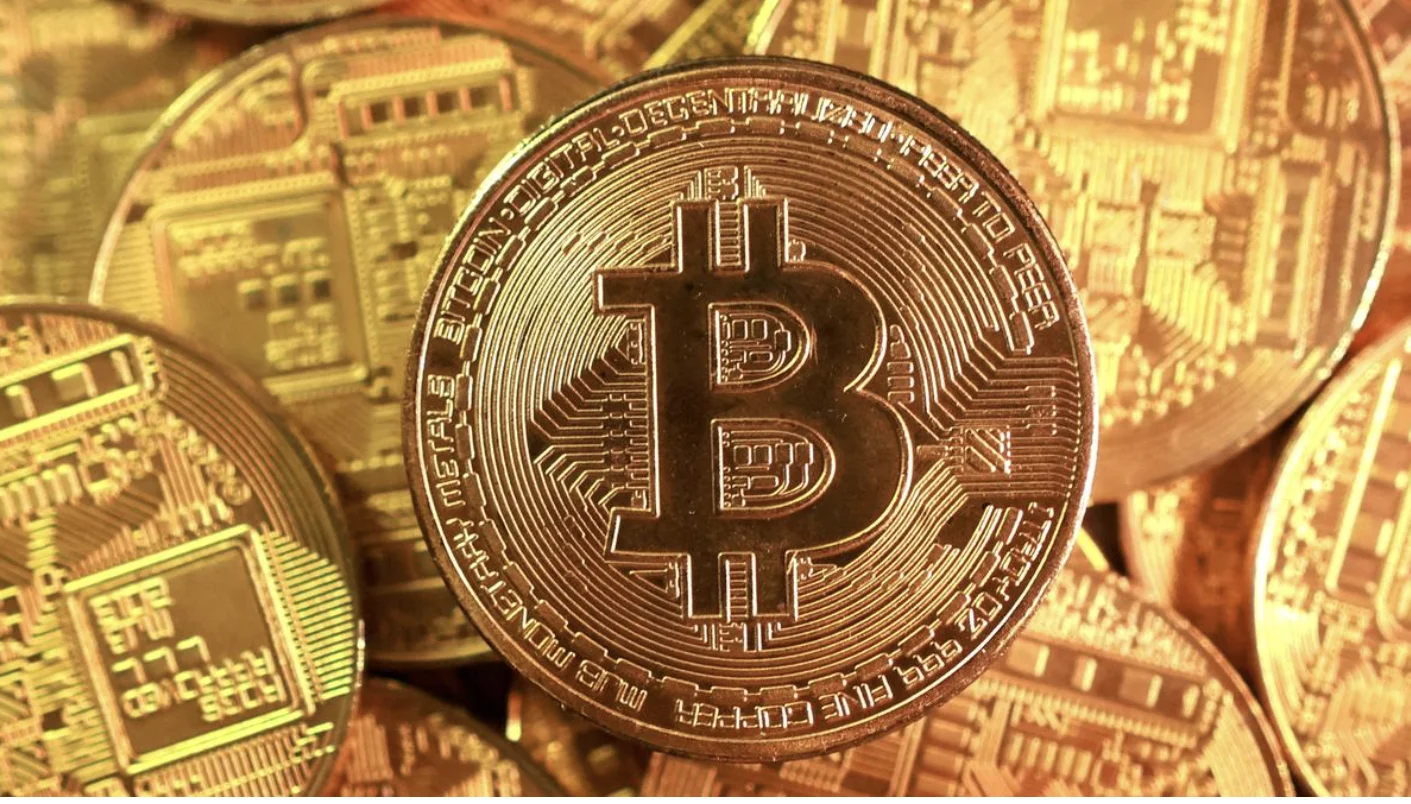
Bitcoin Moves Above $80,000
Bitcoin, the world's largest cryptocurrency, has climbed above $80,000 as investor demand strengthens.
The latest move has been supported in part by concerns over the future value of the US dollar and broader worries about currency debasement.
Fears Over Dollar Weakness
Some investors are increasingly concerned that the US dollar could lose value over the long term.
Inflation and a decline in purchasing power can reduce the real value of cash, encouraging investors to consider alternative assets.
Bitcoin as an Alternative Asset
Bitcoin's limited supply has led some investors to view the cryptocurrency as a form of “digital gold.”
The argument is that an asset with a predetermined supply could potentially retain value when confidence in traditional currencies declines.
What Is Currency Debasement?
Currency debasement refers to concerns that the value or purchasing power of a currency could decline over time.
Government debt, monetary policy and sustained public spending can contribute to concerns about the long-term purchasing power of fiat currencies, encouraging some investors to seek scarce alternative assets such as Bitcoin.
Bitcoin Remains Highly Volatile
Despite its recent gains, Bitcoin remains a highly volatile asset.
Interest rates, monetary policy, movements in the US dollar, regulation and investor appetite for risk can all cause significant swings in cryptocurrency prices.
Crossing the $80,000 level therefore does not guarantee that Bitcoin will remain above that mark.
What It Means for Crypto Markets
Bitcoin's latest rally indicates that investor interest in cryptocurrencies remains strong.
However, the future direction of the market will depend on factors including US monetary policy, dollar movements, global economic conditions and institutional investment.
Conclusion
Bitcoin has risen above $80,000 as concerns about potential dollar debasement boost demand for the cryptocurrency.
Some investors are increasingly viewing Bitcoin as an alternative store of value, but its high volatility means prices can change sharply in response to monetary policy, economic conditions and shifts in investor sentiment.