ఆరోగ్యం
677 వార్తలు

Can Mustard Oil Be Used for Body Massage and Hair Care?
Mustard oil can be used for body massage and hair care, especially in traditional Ayurvedic routines. Its warming nature may support circulation, muscle relaxation, scalp nourishment, and dryness relief. However, it may not suit sensitive skin, Pitta imbalance, heat-prone body types, or an irritated scalp, so patch testing is important. Mustard oil has been used in Indian homes for generations, not just in cooking but also for body massage, hair oiling, and seasonal self-care. Its strong aroma, rich texture, and warming nature make it different from lighter oils like coconut oil. In Ayurveda, mustard oil is considered sharp, heating, and stimulating. This makes it useful in cold weather, stiffness, heaviness, dry scalp, and Vata-Kapha-related concerns. But the same heating quality also means it must be used carefully, especially by people with sensitive skin, rashes, burning sensation, acne-prone scalp, or Pitta imbalance. So, can mustard oil be used for body massage and hair care? Yes

Fatty pancreas now a disease linked to diabetes and cancer
Although pancreatic fat has been recognised for decades, doctors have debated whether it is simply an incidental imaging finding or a disease in its own right. The Melbourne Consensus now classifies it as a distinct disorder and outlines how it should be diagnosed.

Medical colleges to decide own faculty appointments, promotions: NMC
Medical colleges now decide faculty appointments and promotions independently. The National Medical Commission has ended routine eligibility clearances for these positions. This change aims to improve institutional accountability and reduce unnecessary referrals. Applicants dissatisfied with decisions can seek a review within thirty days. The regulator will now focus on exceptional cases involving regulatory ambiguity.

Omicron RF.5 sub-variant detected in four Covid-19 cases reported in Andhra Pradesh
According to the state’s medical and health department authorities, the sub-variant has been reported in Singapore and a few other Southeast Asian countries too. Director of medical education (DME) Dr Vishnuvardhan said the World Health Organization (WHO) is monitoring RF.5 as part of its routine genomic surveillance of SARS-CoV-2.

After Andhra, COVID-19 resurfaces in Maharashtra after 3 years
The state health department data showed Maharashtra recorded 48 Covid-19 cases so far this year, with no death. Cases gradually increased through 2026, after remaining largely under the radar for nearly three years. Three Covid cases were reported in Jan, one in Feb, 11 in June and 21 in July, so far.

Doctors find new tool to detect health risks in premature newborns
The study, conducted on 181 premature babies at JK Lone Hospital in Jaipur, has highlighted the usefulness of the CRIB-II (Clinical Risk Index for Babies-II) score to assess the condition of newborns soon after admission.


AB PM-JAY facilitated cashless treatment worth Rs 1.91L cr through 37K hospitals: MoS Health
Addressing the National Health Authority's two-day review meeting ('Chintan Shivir') on the implementation of AB PM-JAY and the Ayushman Bharat Digital Mission (ABDM), Jadhav said, "Every cashless treatment provided under AB PM-JAY reaffirms the commitment to the spirit of Antyodaya to ensure that the last person in the queue receives priority in accessing quality healthcare."

Environmental plastic may be cardiac risk factor, study suggests
Micro- and nano-plastics were detected in 84% of heart attack survivors, 40% of patients with chronic ischemic heart disease and 32% of patients with normal coronary arteries, according to a report in the European Heart Journal.


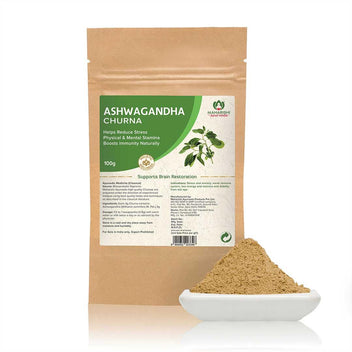
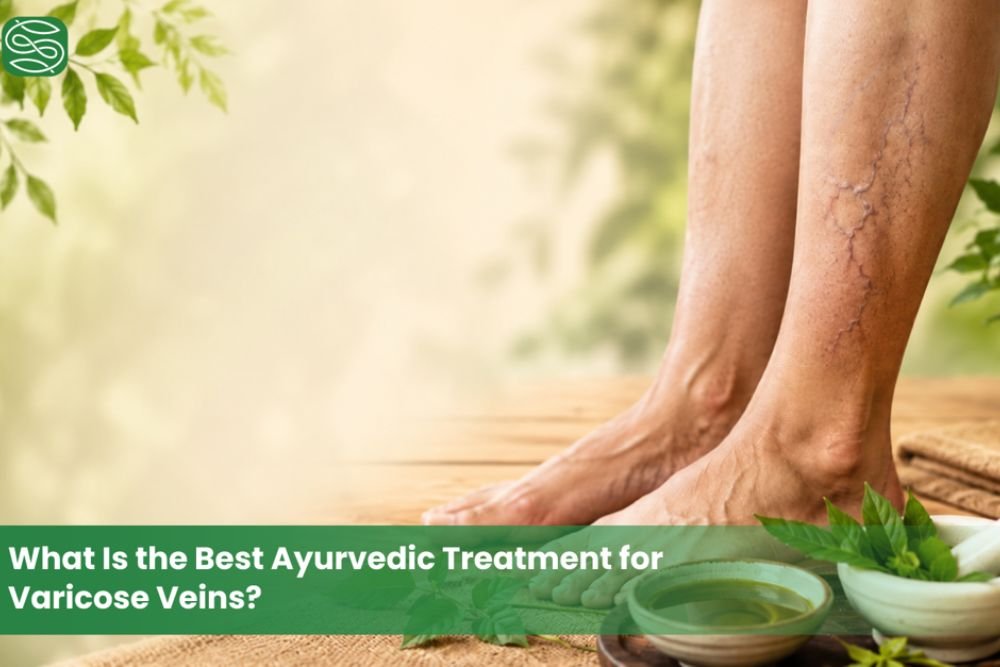
Ashwagandha Powder: Health Benefits, Uses & Intake Methods
Ashwagandha (Withania somnifera) is one of Ayurveda's most valued Rasayana herbs. Traditionally used to support vitality, resilience, restful sleep, and overall wellbeing, it has been part of Ayurvedic practice for centuries. This guide explains Ashwagandha's traditional uses, dosage, safety, nutritional compounds, and what modern scientific research says about its potential benefits. Ashwagandha at a Glance Feature Details Botanical Name Withania somnifera Ayurvedic Classification Rasayana Sanskrit Name Ashwagandha Common Forms Powder (Churna), Tablets, Capsules Traditionally Used For Vitality, stress resilience, sleep, strength Dosha Action Traditionally balances Vata and Kapha Best Time Usually with food or as advised by an Ayurvedic practitioner What Is Ashwagandha? “Golden Mylk” latte, the top-selling wellness drink in Chicago’s famous Oromo Café chain, has a familiar ingredient that never fails to delight visiting Indian

Long-term exposure to air pollution could lead to dementia, warns WHO
New WHO guidelines suggest up to 45% of dementia cases are preventable. Tackling risk factors like high blood pressure and air pollution is advised. Healthy lifestyles and managing chronic diseases significantly influence brain health. The guidelines recommend regular physical activity and quitting tobacco use. Routine vitamin and omega-3 supplements are not advised without diagnosed deficiency.


Up to 45% of dementia risk can be prevented, delayed: WHO
While there is no cure for dementia, up to 45 percent of the risks can be attributed to modifiable risk factors such as tobacco, alcohol use, social isolation, physical inactivity, air pollution and noncommunicable diseases (NCDs), including high blood pressure and diabetes, the WHO said in a statement.


India-UK FTA: MedTech Industry seeks curbs on third country rerouting
Medical device makers expect the agreement to improve access and expand trade with provision for mutual recognition of the two countries' regulatory approvals. Meanwhile, domestic manufacturers are seeking safeguards to prevent trade diversion through third countries.

India among global hotspots for climate-related sleep loss: Report
Globally, an average person lost nearly 56 hours of sleep each year due to nighttime heat between 2020 and 2025. That is equivalent to nearly seven nights' sleep lost each year due to higher nighttime temperatures, including about one night linked to climate change. The report pointed out that an estimated six hours of the annual sleep loss, or just more than 10 per cent, can be attributed to warming caused by climate change.

Chyawanprash Benefits – Immunity, Energy & Respiratory Wellness
Chyawanprash is a classical Ayurvedic Rasayana traditionally prepared with Amla (Indian gooseberry), herbs, ghee, honey, and spices. It has been used for centuries to support immunity, vitality, digestion, respiratory wellness, and healthy ageing. Understanding the benefits of Chyawanprash is key to appreciating this Ayurvedic superfood. What are Chyawanprash Benefits for Men, Women, and Children Chyawanprash at a Glance Feature Details Type Classical Ayurvedic Rasayana Primary Ingredient Amla (Emblica officinalis) Number of Herbs Classical formulations contain multiple herbs (often 40+ ingredients) Traditionally Used For Daily rejuvenation, vitality, digestion, respiratory wellness Best Time Usually morning or as advised by an Ayurvedic practitioner Suitable For Adults, children (age-appropriate quantity), older adults TL;DR – Chyawanprash Benefits & Daily Use Immunity & Longevity: Rich in Amla and 46 herbs, Chyawanprash stre
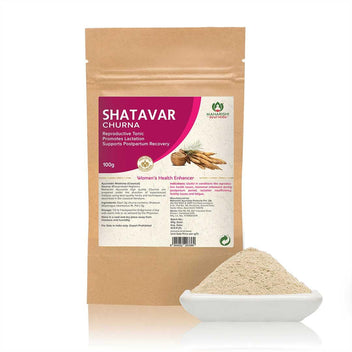
7 Best Home Remedies for Period Pain Relief
Menstrual cramps are commonly caused by uterine contractions during menstruation. Ayurveda associates painful periods (Kashtartava) with an imbalance of Apana Vata. Many women find relief through a combination of heat therapy, gentle movement, herbal support, balanced nutrition, and appropriate lifestyle practices. This guide explores seven traditional home remedies, when to seek medical advice, and practical ways to support menstrual comfort naturally. Period Pain Relief at a Glance Topic Quick Answer Common Cause Uterine contractions triggered by prostaglandins Ayurvedic View Aggravated Apana Vata Immediate Home Relief Heat therapy, rest, hydration, gentle stretching Traditional Herbal Support Shatavari, Ashoka, Ginger, Hing, Ajwain When to Seek Medical Care Severe pain, heavy bleeding, pain that worsens over time TL;DR – Natural Relief for Period Pain Vata Imbalance Causes Pain: In Ayurveda, menstrual cramps (Kastartava) are

FSSAI crackdown serves food for thought as packaged food makers seek clearer rules
In a bid to strengthen consumer protection, India's food regulatory body is intensifying efforts against packaged food companies. The lack of clarity around definitions and guidelines for emerging ingredients poses a pressing concern. Executives from the sector are urging the need for revised definitions and clearer regulations. To meet these demands, the authority has restructured its scientific panels to create standards rooted in science, facilitating smoother operations for manufacturers.

What is Shilajit? Origins, Benefits, and Uses
Shilajit is a naturally occurring herbomineral substance that seeps from mountain rocks after centuries of plant decomposition. In Ayurveda, it is classified as a Rasayana, traditionally used to support vitality, stamina, healthy ageing, and overall wellness. This guide explains its origins, traditional uses, dosage, purification, safety, and current scientific understanding. Shilajit at a Glance Feature Details Ayurvedic Classification Rasayana (Rejuvenative) Sanskrit Name Shilajatu Source Himalayan mountain rocks Main Components Fulvic acid, humic substances, trace minerals Traditional Uses Vitality, stamina, healthy ageing, overall wellness Common Forms Resin, tablets, capsules Best Time Usually morning or as advised by an Ayurvedic practitioner Quick TL;DR — Shilajit (Shilajatu) Ancient Rasayana: Powerful herbomineral from the Himalayas, revered in Ayurveda for vitality and longevity. Rich in Nutrients: Contains fulvic a